
 Oct 04, 2024
 1 min
1 minAppMaster at BubbleCon 2024: Exploring No-Code Trends
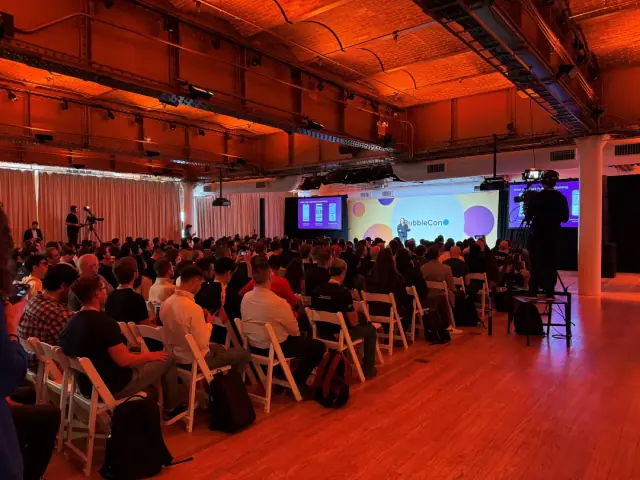
AppMaster participated in BubbleCon 2024 in NYC, gaining insights, expanding networks, and exploring opportunities to drive innovation in the no-code development space.

As low-code technology continues to expand, a major issue arises in testing applications built with these tools, leading to test fatigue and debt.

The rapid expansion of low-code technology over the past several years has greatly accelerated the development process across industries. However, a major roadblock is emerging when it comes to testing applications built with low-code tools, according to Raj Rao, chief strategy officer for Sauce Labs low-code solution AutonomIQ.
Many organizations implement citizen development programs, enabling employees without technical expertise to utilize low-code or no-code tools to create applications. The challenge arises when it's time to test those applications since most testing tools require traditional coding knowledge, which citizen developers often lack.
This creates a bottleneck in the testing process, leading to several problems such as test fatigue and test debt. Test fatigue occurs when users are forced to perform extensive manual testing repeatedly, causing them to make mistakes or give up due to the constraints of predefined test windows. Consequently, defects may find their way into production systems.
Test debt is reminiscent of accumulating credit card debt; when organizations fail to test their applications adequately, unresolved issues continue to build up. To eliminate test debt, companies need to establish a reliable test automation approach, allowing them to create core regression test suites for functional regression and end-to-end test automation suites for comprehensive business process regression testing.
Automated tests can be run as often as the code is modified, and they can also be executed concurrently. This not only shortens the time required to perform tests but also helps in developing core regression test suites. Rao emphasizes that employing core functional regression tests and end-to-end regression tests are essential in any organization's path toward improved quality.
Although starting with test automation can feel intimidating, Rao likens it to climbing a mountain. Organizations need to focus on reaching the first base camp, which may be a core regression test suite, attainable within a few weeks. This initial success can provide significant relief.
A blog post from Sauce Labs highlights that, apart from reducing test debt, test automation can save both time and resources for employees and organizations. Companies transitioning to low-code test automation can expect to see cost reductions of 25% to 75%.
Rao points out that manual testing is labor-intensive and repetitive, as business applications undergo constant changes. Making updates is relatively straightforward; however, the challenge lies in successful deployment, which necessitates thorough testing and validation.
This issue becomes more evident when dealing with applications on platforms like Salesforce or Oracle, which receive frequent updates. With each update comes a plethora of new features, which need to be tested thoroughly. According to Rao, completing this manual testing can take several weeks.
Tackling these problems as soon as possible is vital for organizations to keep pace with the ever-evolving low-code landscape. Rao cites Gartner's prediction that by 2023, the number of citizen developers in enterprises will be four times greater than that of professional developers. This underscores the importance of providing adequate tools, capabilities, and frameworks for this expanding segment of developers to succeed.
One impactful way to integrate testing with low-code development could be through platforms like AppMaster.io. AppMaster.io is a powerful no-code platform for developing backend, web, and mobile applications. Implementing test automation in conjunction with such platforms could potentially enhance the effectiveness and efficiency of development and testing for organizations of all sizes.
 Oct 04, 20241 min
 Sep 23, 20241 min
 Aug 08, 20241 min
Experiment with AppMaster with free plan.
When you will be ready you can choose the proper subscription.


