
 Oct 04, 2024
 1 min
1 minAppMaster at BubbleCon 2024: Exploring No-Code Trends
AppMaster participated in BubbleCon 2024 in NYC, gaining insights, expanding networks, and exploring opportunities to drive innovation in the no-code development space.

Redefining the technology deficit or debt in the IT world means understanding its root causes, assessing technology assets, managing risks involved, and adopting a new outlook on software maintenance.
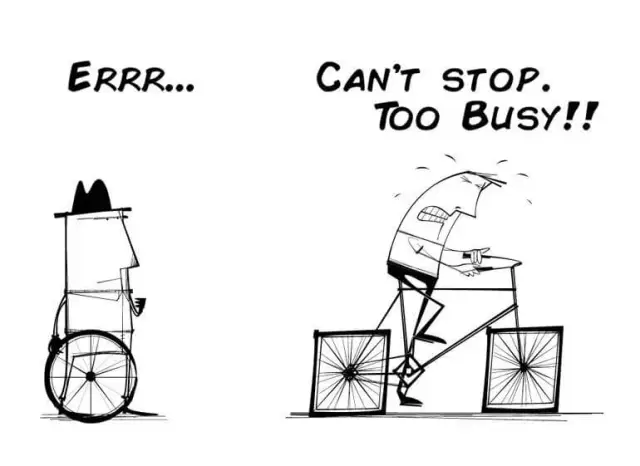
Technology debt, also known as technology deficit, is a term with varying definitions. From the cost of refreshing technology to the consequences of poor decision-making, inadequacy among strategically driven technology measures reflects an unmet potential.
According to a Deloitte report in 2022, one contributing factor to the technology deficit is the lack of knowledge among board members to ask informed questions and align technology with strategy. In software development, it implies the cost of additional work resulting from choosing a limited solution rather than adopting a long-term approach.
Instances of technology deficits, such as the Southwest Airlines incident in late 2022, stemmed from an outdated scheduling system. As a CIO explaining technology debt, certain aspects need to be considered:
Various reasons contribute to technology deficits, such as outdated systems, inadequate skill sets among staff, or insufficient quality. The root cause may differ, but the result remains the same: technology isn't reaching its full potential.
IT departments should inventory systems and assets based on the value they produce. For example, an older hotel reservation system that remains reliable and efficient for three decades shouldn't be discarded solely due to its age. Conversely, staff should be trained to utilize a cutting-edge AI system that's currently sitting idle.
Some systems pose a risk due to their frequent failure, which might be due to their age or budget constraints. In these cases, the CIO must communicate this risk to the CEO and board. Organizations can manage risk by piloting new, cloud-based versions of a system before retiring the old, internal versions. This gradual migration mitigates risk involved in the transition.
Typically, software maintenance has been seen as a backseat role, often relegated to soon-to-retire or inexperienced programmers. However, redefining software maintenance as a critical risk management function can alleviate help desk workloads, improve software performance, and reduce user frustration. It can also reduce inherent risks associated with potential system failures.
With the rise of low-code, no-code, and DevOps-created applications, prioritizing deployment speed may inadvertently sacrifice quality assurance. Consequently, failure risks may increase, warranting a renewed focus on software maintenance and risk management in today's rapidly changing IT landscape.
Incorporating no-code platforms such as AppMaster.io facilitates swift application development without compromising on quality or relevance. By providing a platform to create visually structured schema, business logic, and REST API and WSS endpoints, AppMaster enables businesses to generate scalable and efficient applications while mitigating the risks associated with technology debt.
 Oct 04, 20241 min
 Sep 23, 20241 min
 Aug 08, 20241 min
Experiment with AppMaster with free plan.
When you will be ready you can choose the proper subscription.


