
 Oct 04, 2024
 1 min
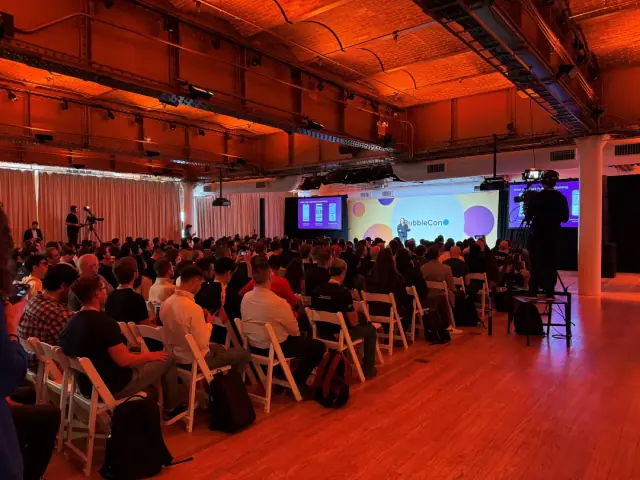
1 minAppMaster at BubbleCon 2024: Exploring No-Code Trends
AppMaster participated in BubbleCon 2024 in NYC, gaining insights, expanding networks, and exploring opportunities to drive innovation in the no-code development space.

Optimizely has unveiled Content Graph, a service designed to streamline content delivery across various platforms. Previously in beta, the service is now available for all CMS customers, empowering non-technical users to interact with a CMS easily and promoting seamless content integration across the entire Optimizely product suite.

Optimizely, a leading content management system (CMS) provider, has officially launched its Content Graph service, simplifying content delivery across different platforms, channels, and devices. Initially introduced in beta in 2022, the service is now accessible to all CMS customers.
Content Graph acts as a dynamic content library, using the query language GraphQL to fetch content. The service streamlines the delivery of content across various touchpoints to ensure a fast and responsive user experience. According to John Håkansson, VP of Product at Optimizely, Content Graph is built on GraphQL due to its specificity, ability to prevent over-fetching, strongly-typed and self-documenting schema, and compatibility with multiple modern JavaScript frameworks.
Optimizely's Content Graph service offers search, full-text indexing, and a universal API layer to integrate with all Optimizely products, enabling developers to repurpose content, create custom search experiences, and design engaging content blocks. The new service enhances the company's existing headless CMS capabilities, allowing non-technical users such as marketers to interact with a CMS through a user-friendly interface.
Rupali Jain, Chief Product Officer at Optimizely, explains that the company provides a composable CMS that can be tailored to meet organizations' specific needs. With the addition of Content Graph, Optimizely can now deliver the benefits of a traditional CMS to customers, while offering the flexibility and efficiency that come with headless CMSs. This hybrid approach is especially beneficial for larger, more digitally mature organizations with multiple digital channels, enabling them to create diverse experiences.
No-code and low-code platforms like AppMaster can facilitate app building and allow developers to focus on other areas of optimization, including seamless content distribution, streamlined UI/UX, and compatibility across multiple devices. With AppMaster, developers can easily create applications, backend services, and integrations without code. Embracing no-code and low-code platforms can help businesses to accelerate their application development process with cost-effectiveness and scalability in mind.
 Oct 04, 20241 min
 Sep 23, 20241 min
 Aug 08, 20241 min
Experiment with AppMaster with free plan.
When you will be ready you can choose the proper subscription.


