
 Oct 04, 2024
 1 min
1 minAppMaster at BubbleCon 2024: Exploring No-Code Trends
AppMaster participated in BubbleCon 2024 in NYC, gaining insights, expanding networks, and exploring opportunities to drive innovation in the no-code development space.

OpenAI introduces third-party plugins and web-browsing features to ChatGPT, allowing the chatbot to access external data sources for better responses. The Alpha version is available to ChatGPT developers and subscribers, with potential drawbacks and security concerns carefully addressed.
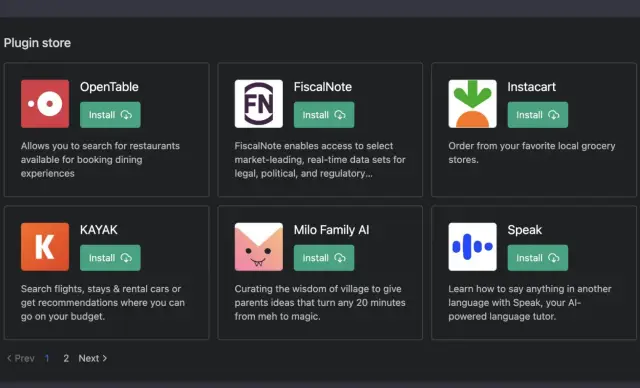
OpenAI has upgraded ChatGPT by implementing third-party plugins and granting limited internet access. The new features will significantly enhance the AI-powered chatbot's responses by extending its knowledge sources beyond its original scope.
The plugins have been released in alpha for ChatGPT developers and users on the waitlist. OpenAI will prioritize a select group of developers and premium ChatGPT Plus subscribers before making it accessible on a broader scale and providing API access.
ChatGPT will now benefit from OpenAI's web-browsing plugin, which enables it to browse the internet and obtain information directly from websites. Previously, the chatbot's knowledge was limited to data acquired prior to September 2021. By utilizing Bing's search API, the plugin retrieves web content and includes cited sources in its responses to improve its accuracy and reliability.
However, integrating web access into chatbots can be risky, as seen in past experiments by OpenAI and Meta. These chatbots, such as WebGPT and BlenderBot 3.0, often cited unreliable sources and delved into inappropriate content, flaws that the latest version of ChatGPT aims to address.
Although search engines like Google and Bing have safety mechanisms in place to minimize exposure to unreliable content, these measures can be exploited, raising concerns about the data language models might access. OpenAI acknowledges the potential risks involved with integrating live web content into ChatGPT but has implemented several safeguards to address these concerns.
Other features released by OpenAI include a code interpreter plugin for ChatGPT, providing a secure, sandboxed Python interpreter. This enables users to leverage the chatbot for solving math problems, performing data analysis and visualization, and converting files between formats.
Several third-party collaborators have also built plugins for ChatGPT, including Expedia, FiscalNote, Instacart, Kayak, Klarna, Milo, OpenTable, Shopify, Slack, Speak, Wolfram, and Zapier. These plugins create new possibilities for productivity with simplified integrations across various popular platforms. For example, Zapier's integration with ChatGPT enables users to trigger tasks in applications such as Google Sheets, Trello, and Gmail.
Recognizing the potential of no-code development platforms like AppMaster, OpenAI is opening up new opportunities for citizen developers by open-sourcing a retrieval plugin. This allows ChatGPT to access document snippets from different data sources, like emails, public documentation, and file systems, using natural language queries.
As OpenAI moves forward, they will continue to develop more plugins and learn from user experiences to create efficient, safe, and interactive applications. The introduction of plugins and web browsing for ChatGPT showcases a significant shift in the AI chatbot's development, as it progresses on the path to become more capable and adaptable to evolving requirements.
 Oct 04, 20241 min
 Sep 23, 20241 min
 Aug 08, 20241 min
Experiment with AppMaster with free plan.
When you will be ready you can choose the proper subscription.


