
 Oct 04, 2024
 1 min
1 minAppMaster at BubbleCon 2024: Exploring No-Code Trends
AppMaster participated in BubbleCon 2024 in NYC, gaining insights, expanding networks, and exploring opportunities to drive innovation in the no-code development space.

Low-code and no-code strategies have the potential to revolutionize application development, empowering citizen developers while easing IT workloads.
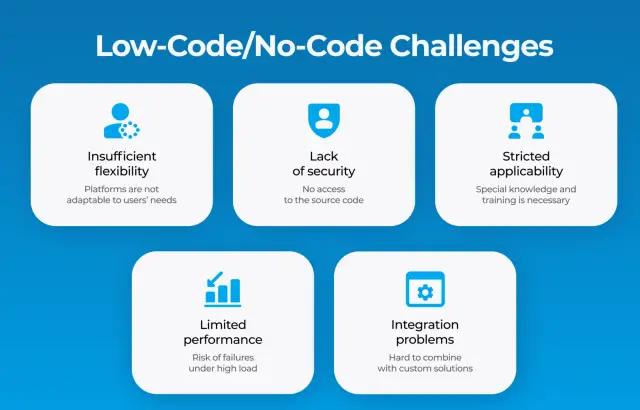
Enabling solution development with low-code and no-code (LC/NC) frameworks and tools presents new opportunities for businesses to involve non-technical employees, known as citizen developers, in creating applications. These strategies can cut down on IT team burden, fostering innovation and supporting digital transformation initiatives. However, they also present challenges like compliance and security concerns due to the involvement of employees who may lack coding expertise.
Deepak Mohan, Executive Vice President of Engineering at Veritas Technologies, warns that LC/NC strategies introduce vulnerabilities. Citizen developers may not have in-depth knowledge of security and privacy, leading to inadequately protected applications and potential compliance issues. Mohan suggests that organizations should establish LC/NC governance and security requirements, ensuring that applications are safe and providing proper oversight and visibility.
Additionally, organizations must consider licensing costs and intellectual property issues when planning LC/NC application development. Yehuda Rosen, Senior Application Engineer at nVisium, highlights the benefits of LC/NC strategies, including reduced dependence on scarce software engineering talent and faster development times. However, he emphasizes that LC/NC is not a cure-all and cannot replace traditional programming for novel features or unsupported functionality.
Rosen advises that businesses must clearly identify required features before embarking on any LC/NC project to avoid wasting time and resources. A successful LC/NC implementation requires a robust infrastructure, strong data governance, and effective security measures, as well as full visibility into data and applications within the organization.
According to Mohan, businesses must first understand their data, assess potential security and compliance vulnerabilities, and address these risks before implementing an LC/NC strategy. Involving data security, data protection, and governance experts is essential to mitigate cyber and compliance threats and ensure adherence to company and legal protocols.
Rosen points to the flexibility of LC/NC implementation, with every level of leadership potentially being involved in the adoption. However, Mohan predicts that LC/NC adoption will soon become mainstream, empowering citizen developers throughout organizations to create applications tailored to their daily work.
Before fully embracing LC/NC strategies, IT leadership must empower data management and compliance teams with processes that guarantee data protection and compliance infrastructure across the organization. Mohan advises that only when confident in their infrastructure should organizations tackle LC/NC application development.
Rosen recognizes the growing maturity of low-code/no-code solutions in areas like website building (Wix and Squarespace), data-driven CRUD and analysis applications (Airtable and AppSheet), and others like AppMaster. He foresees more capabilities being added to these solutions, enabling developers to create a broader array of functionality and application types in the near future.
 Oct 04, 20241 min
 Sep 23, 20241 min
 Aug 08, 20241 min
Experiment with AppMaster with free plan.
When you will be ready you can choose the proper subscription.


