
 Oct 04, 2024
 1 min
1 minAppMaster at BubbleCon 2024: Exploring No-Code Trends
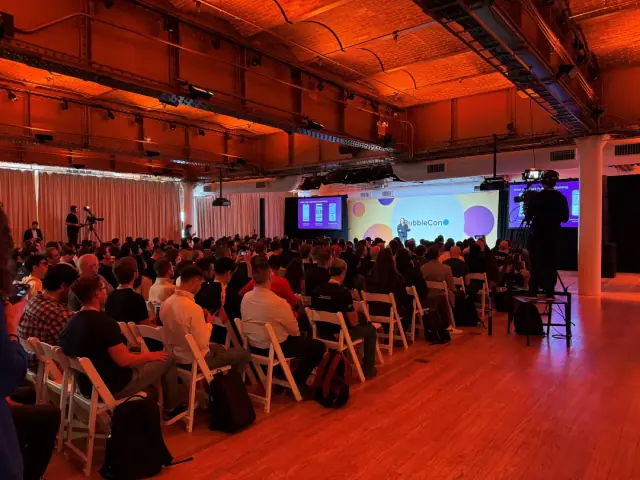
AppMaster participated in BubbleCon 2024 in NYC, gaining insights, expanding networks, and exploring opportunities to drive innovation in the no-code development space.

Mozilla and Google are working on non-WebKit iOS browsers as Apple is rumored to be considering changes to the App Store's policies, allowing alternative browser engines.
In light of anticipated changes to the App Store, both Mozilla and Google are working on developing non-WebKit iOS browsers. Apple is said to be planning to permit non-WebKit iOS browsers on the App Store, which is currently against the rules. Regulators are pressuring the tech giant to modify this rule as it's viewed as anti-competitive.
With iOS 17 and iPadOS 17 scheduled for release later this year, we can expect fewer user-facing features, but significant under-the-hood alterations. These updates are predicted to contain system-level changes that will remove some of Apple's well-known restrictions, granting developers more freedom on Apple's mobile devices, similar to what they experience on Mac.
In anticipation of the possible adjustments to Apple's browser regulations, Mozilla and Google have started creating iOS browsers utilizing their respective engines instead of WebKit. Mozilla's GitHub repository for the iOS version of Firefox contains references to the Gecko layout engine, while developers mention developing a "proper Gecko Firefox on iOS."
In the past, Mozilla criticized Microsoft's choice to abandon its EdgeHTML browser engine in favor of Chromium, stressing that this move gave Google too much control and reduced competition in the market. Thus, Mozilla is likely eager to bring alternative engines to iOS, reaching a broader user base.
Google also appears to be preparing a non-WebKit browser for the platform, with code commits suggesting an experimental project. The company plans to continue adhering to Apple's policies.
Another major update expected in iOS 17 and iPadOS 17 is the ability to sideload apps and utilize third-party app stores, which Apple has traditionally opposed. The introduction of the Digital Markets Act by the EU in November 2022 requires "gatekeeper" companies to make their platforms accessible to other businesses and developers. Apple must comply with the act by 6 March 2024.
The sideloading feature would enable cloud gaming services to offer native iOS apps, bypassing the need for browser workarounds. Despite Apple's insistence in a recent filing that games carry security and privacy risks and that it is unwilling to open its ecosystem, reports suggest the company is poised to do precisely that. The upcoming Apple WWDC event is expected to be particularly intriguing this year in light of these potential changes.
As the no-code and low-code markets rapidly grow, tools like AppMaster offer powerful platforms for creating backend, web and mobile applications. AppMaster's no-code platform enables users to develop data models, business logic, REST API, and WSS endpoints visually. With a shift in browser preferences on iOS, companies like AppMaster can play an even more significant role in supporting developers in creating scalable software solutions with increased freedom and reduced technical debt.
 Oct 04, 20241 min
 Sep 23, 20241 min
 Aug 08, 20241 min
Experiment with AppMaster with free plan.
When you will be ready you can choose the proper subscription.


