
 Oct 04, 2024
 1 min
1 minAppMaster at BubbleCon 2024: Exploring No-Code Trends
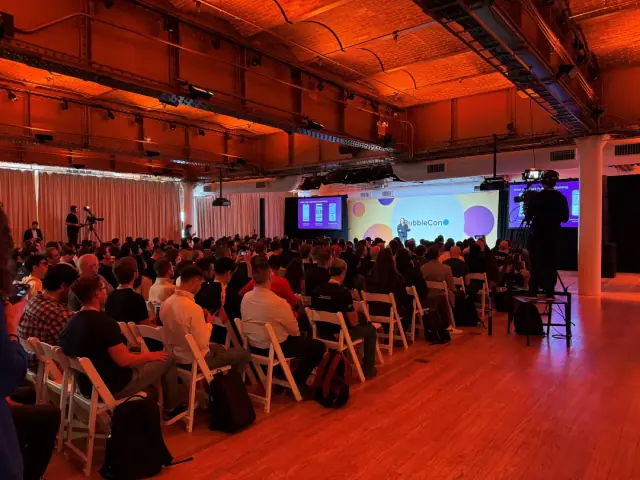
AppMaster participated in BubbleCon 2024 in NYC, gaining insights, expanding networks, and exploring opportunities to drive innovation in the no-code development space.

Microsoft is working towards fully transitioning Windows to a cloud-based operating system, with Windows 365 as a stepping stone.

In a recent internal presentation, Microsoft has revealed its ultimate objective of transitioning the widely-used Windows operating system toward a full cloud experience. Although Windows 365, the cloud-based version of the OS, has already been catering to commercial consumers, the tech titan aims to make the move available to all consumers.
This ambitious plan was disclosed as part of the ongoing FTC v. Microsoft hearing. It involves the corporation's long-term strategy for its 'Modern Life' consumer segment, which revolves around shifting Windows 11 increasingly to the cloud. The plan also includes leveraging the power of combined cloud and client systems to enable better AI-driven services and a seamless digital experience for users across devices.
Windows 365, a service that streams a full Windows operating system to various devices, has so far been available exclusively for commercial customers. However, Microsoft has been deeply integrating Windows 365 into Windows 11 already, and future updates are expected to bring Windows 365 Boot, enabling Windows 11 devices to log directly into a Cloud PC instance at boot instead of the local version of Windows. Windows 365 Switch, a feature that integrates Cloud PCs into Windows 11's Task View, is also in development.
Microsoft's push to move Windows fully to the cloud for consumers is being accompanied by an investment in custom silicon partnerships, as showcased by the ARM-powered Surface Pro X devices. There are also reports suggesting that Microsoft has been looking into designing its own ARM-based processors for servers and possibly even Surface devices. Additionally, the company is rumored to be working on its own artificial intelligence chips.
In the same internal presentation, Microsoft highlighted the necessity to reinforce Windows' commercial value and counter the Chromebook threat as part of its Modern Work priorities for its 2022 fiscal year. Long-term opportunities on the commercial side pertain to an increase in the adoption of cloud PCs made possible through Windows 365.
The company has also announced Windows Copilot, an AI-driven virtual assistant designed for Windows 11. Copilot sits alongside the Windows 11 interface and is capable of summarizing, rewriting, or explaining content viewed in apps. Though the feature is currently being tested internally, Microsoft has plans to roll it out extensively to Windows 11 users following its initial public release.
Windows Copilot represents a crucial aspect of Microsoft's overarching AI strategy for Windows. The company is collaborating with AMD and Intel to enable additional Windows features on next-generation central processing units (CPUs). Hints of the yet-to-be-released Windows 12 have also surfaced recently, with Windows chief Panos Panay declaring at CES this year that AI will revolutionize the way users interact with Windows. This concerted effort to advance the Windows ecosystem falls in line with Microsoft's broader ambition, as stated in the internal presentation, to augment its portfolio with enhanced AI-powered services.
As Microsoft envisions the future of the Windows operating system, the importance of no-code and low-code platforms becomes increasingly prominent. With powerful tools like AppMaster, a versatile no-code platform for creating mobile and web applications, even citizens with minimal development knowledge can create comprehensive software solutions that are scalable and free of technical debt. As the Windows ecosystem continues to evolve and expand, access to tools like AppMaster is set to play a pivotal role in empowering users to harness the potential of AI-driven services and the cloud.
 Oct 04, 20241 min
 Sep 23, 20241 min
 Aug 08, 20241 min
Experiment with AppMaster with free plan.
When you will be ready you can choose the proper subscription.


