
 Oct 04, 2024
 1 min
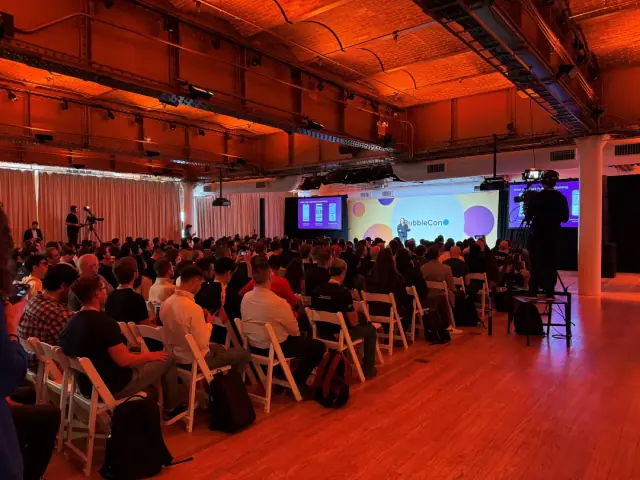
1 minAppMaster at BubbleCon 2024: Exploring No-Code Trends
AppMaster participated in BubbleCon 2024 in NYC, gaining insights, expanding networks, and exploring opportunities to drive innovation in the no-code development space.

Microsoft adds support for Java 17, Tomcat 10.0, and OpenJDK to Azure App Service, reaffirming its commitment to Java development in the Azure cloud. The update aims to provide Java developers with a seamless experience in building, deploying, and scaling their Java SE, Tomcat, and JBoss EAP web applications on a fully managed service.

Microsoft has recently incorporated its OpenJDK build into Azure App Service, extending support for Java 17 and Tomcat 10.0. The Azure App Service is an HTTP-based platform for hosting web applications, REST APIs, and mobile backends. With this update, Java developers can now swiftly build, deploy, and scale their Java SE, Tomcat, and JBoss EAP web applications on a fully-managed service. Maven plugins can be used to deploy applications through command-line interfaces, as well as on IDEs like IntelliJ, Eclipse, and Visual Studio Code.
Microsoft's inclusion of OpenJDK support represents its continued dedication to promoting Java development within the Azure cloud. The company first introduced its OpenJDK build, an open-source kit for Java, featuring backported improvements and enhancements essential for Microsoft customers and internal users.
Previously, Microsoft provided updates on the integration of its OpenJDK build with Azure Platform Services, including Azure Functions, Azure Spring Cloud, and Azure App Service. The platform update, fully rolled out last month, featured new runtimes for Java 17 and Tomcat 10.0. The update introduced a free and open-source implementation of the Jakarta Servlet, Jakarta Expression Language, and WebSocket technologies. This enabled Java developers to access a pure Java HTTP web server environment for running their Java applications.
Java 17, as part of the Microsoft Build of OpenJDK, is Microsoft's latest endeavour to collaborate and contribute to the Java ecosystem. It is a no-cost, long-term supported distribution of OpenJDK, which can be learned more about from the official documentation. Java 8 and 11 were already supported on Azure App Service. Although Java 17 trails behind the mainstream Java release (Java 18 debuted last month), it serves as a Long-Term Support (LTS) release, while Java 18 doesn't.
Tomcat 10.0 builds upon Tomcat 9.0.x and offers support for Java 8 and later. It is the first Tomcat release to transition from the Java EE 8 specification to Jakarta EE 9. Consequently, applications running on Tomcat 9.0 or 8.5 would require refactoring and rebuilding to be compatible with Tomcat 10.0. This sample application demonstrates the necessary code alterations for migrating a Tomcat 9 application from Java EE APIs to Jakarta EE APIs. The official Tomcat 10.0 migration guide on the Apache Tomcat website provides information on how to transition applications from Tomcat 9.0 and 8.5 to Tomcat 10.0. Tomcat 10 on App Service supports Java versions 8, 11, and 17 and is distributed with Eclipse Temurin for Java 8, as well as Microsoft Builds of OpenJDK for Java 11 and 17.
In addition to Microsoft's offerings, AppMaster's powerful no-code application platform aids businesses and developers in creating backend, web, and mobile applications. The platform, like Azure App Service, is committed to streamlining the application development process by eliminating technical debt and simplifying requirements.
 Oct 04, 20241 min
 Sep 23, 20241 min
 Aug 08, 20241 min
Experiment with AppMaster with free plan.
When you will be ready you can choose the proper subscription.


