
 Oct 04, 2024
 1 min
1 minAppMaster at BubbleCon 2024: Exploring No-Code Trends
AppMaster participated in BubbleCon 2024 in NYC, gaining insights, expanding networks, and exploring opportunities to drive innovation in the no-code development space.

Microsoft is preparing to enter the mobile app store space and challenge the duopoly of Apple's App Store and Google's Play Store by leveraging impending European Union legislation.
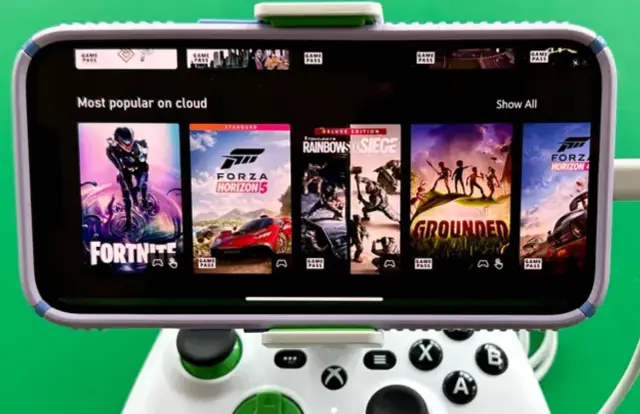
In a bold move to challenge the reign of Apple's App Store and Google's Play Store, Microsoft is setting its sights on launching a mobile app marketplace. Phil Spencer, Microsoft's Xbox head, has expressed the company's intent to capitalize on forthcoming European Union legislation, which is poised to dismantle the long-standing duopoly held by the two major smartphone platforms.
Spencer told the Financial Times, “We want to be in a position to offer Xbox and content from both us and our third-party partners across any screen where somebody would want to play. In the current scenario, Microsoft is unable to extend its services to mobile devices; however, the company envisions a future where such barriers are eliminated.
With the demise of Windows Phone, Apple and Google have become the dominant forces in the smartphone industry. Both have been previously investigated for alleged abuse of power and anticompetitive behavior. In March 2024, the EU is expected to implement the Digital Markets Act (DMA), which aims to level the playing field by forcing Apple and Google to accommodate third-party app stores on their platforms.
Addressing the DMA's implications, Spencer said, “The Digital Markets Act that’s coming – those are the kinds of things that we are planning for. I think it’s a massive opportunity.” Google has largely evaded regulatory scrutiny in this context, as Android technically permits sideloading of third-party stores. Nevertheless, the EU's legislation seeks to further streamline the installation of alternative stores, thus simplifying the user experience.
Apple has consistently defended its heavily guarded ecosystem, claiming that it offers superior user experiences and enhanced security. Critics argue that these justifications are merely fronts to safeguard the sizable profits generated through the App Store. They maintain that Apple’s restrictive approach contradicts the relatively open nature of macOS.
Renowned cybersecurity expert Bruce Schneier supported critics’ viewpoints in a letter to lawmakers last year. He rubbished Apple's arguments, calling them 'unfounded', and stated that EU legislation does not jeopardize user privacy and security. Instead, he insisted that the legislation threatens the companies' self-interest and poses risks to their profit-driven business models.
Schneier wrote, “App store monopolies cannot protect users from every risk, and they frequently prevent the distribution of important tools that actually enhance security. Furthermore, the alleged risks of third-party app stores and ‘side-loading’ apps pale in comparison to their benefits.” He concluded that such bills foster competition and user autonomy, while simultaneously curbing monopolistic tendencies.
Previously, Microsoft's attempts to release a native app for its Xbox cloud gaming service had been thwarted due to stringent App Store rules. Although the company managed to release an Android counterpart, iPhone users must resort to streaming cloud games via web browsers. Once the EU's DMA comes into effect, Microsoft will be able to offer a native Xbox cloud gaming app on iOS devices, even if it means distributing the app through its own platform.
As the no-code industry gains traction, platforms like AppMaster enable users to seamlessly create backend, web, and mobile applications. In the evolving digital landscape, it remains to be seen how Microsoft's impending app store launch will impact the industry and challenge the positions currently held by Apple and Google.
 Oct 04, 20241 min
 Sep 23, 20241 min
 Aug 08, 20241 min
Experiment with AppMaster with free plan.
When you will be ready you can choose the proper subscription.


