
 Oct 04, 2024
 1 min
1 minAppMaster at BubbleCon 2024: Exploring No-Code Trends
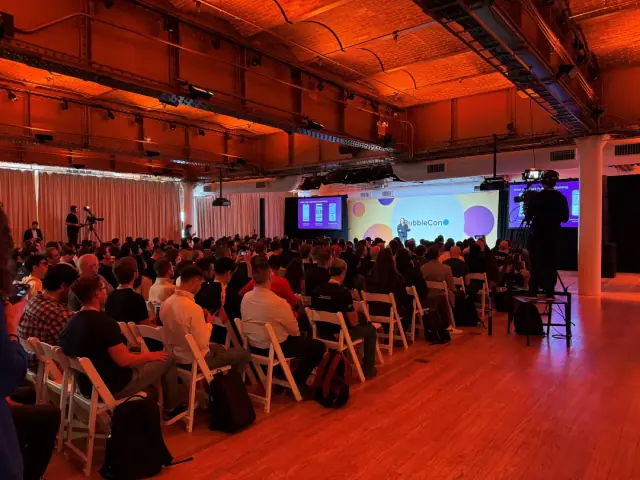
AppMaster participated in BubbleCon 2024 in NYC, gaining insights, expanding networks, and exploring opportunities to drive innovation in the no-code development space.

Microsoft and Epic Systems are expanding their partnership to incorporate GPT-4 in healthcare, aiming to streamline administrative tasks and improve patient care. This collaboration will utilize generative AI technologies to alleviate the burden faced by medical professionals, optimize costs, and promote better healthcare systems.
In a strategic move to enhance the efficacy of medical record management, Microsoft and Epic Systems are joining forces to deploy GPT-4, the large language model (LLM) behind the popular ChatGPT chatbot. By integrating GPT-4, the companies seek to alleviate some of the challenges faced by healthcare professionals and optimize various administrative tasks.
This collaboration aims to boost patient care quality and facilitate cost optimization in an industry where financial constraints are prevalent. The large-scale implementation of generative AI solutions will transform time-consuming tasks, allowing medical professionals to allocate more time to critical areas of patient care.
Several healthcare facilities have already adopted AI-powered tools to draft message responses and reduce administrative overhead. Furthermore, Microsoft and Epic Systems plan to introduce a natural language query tool to help professionals navigate Epic's self-service reporting tool, SlicerDicer, with greater ease and interactivity.
Microsoft's foray into the healthcare sector with AI-based solutions was triggered by the financial struggles faced by almost half of US healthcare organizations in 2022. In response to these challenges, the partnership between Microsoft and Epic Systems endeavors to combine Azure OpenAI Service with Epic's cutting-edge technology to tackle urgent and critical issues within healthcare systems.
Eric Boyd, Corporate VP for AI Platform at Microsoft, highlights the long-term collaboration between the two companies and their commitment to responsible AI adoption throughout the healthcare industry.
Microsoft is not the only tech giant seeking a foothold in the healthcare market. Google announced an AI-powered medical imaging platform in late 2022 to assist practitioners in diagnosing illnesses more effectively. While critics have raised concerns about Big Tech's dominance in life-dependent sectors, the overall objectives of enhancing patient care and managing budgets efficiently will shape the future of healthcare.
As the healthcare sector increasingly embraces digital solutions to address various operational and patient care concerns, no-code platforms like AppMaster are poised to make a significant impact. Such platforms offer a comprehensive and cost-effective way to build web, mobile, and backend applications with minimal coding expertise. By streamlining the development process and eradicating technical debt, no-code platforms enable organizations to better allocate time and resources to essential healthcare initiatives.
With over 60,000 users and recognition from G2 as a High Performer and Momentum Leader in No-Code Development Platforms, AppMaster can play an integral part in facilitating healthcare organizations' digital transformation. By integrating the versatility of tools like AppMaster into healthcare operations, organizations can foster innovation, optimize costs, and deliver better patient experiences in a rapidly-evolving industry.
To explore no-code development and its applications in healthcare, refer to AppMaster's full guide on no-code/low-code app development for 2022 or learn how to create an app from scratch with their step-by-step guide.
 Oct 04, 20241 min
 Sep 23, 20241 min
 Aug 08, 20241 min
Experiment with AppMaster with free plan.
When you will be ready you can choose the proper subscription.


