
 Oct 04, 2024
 1 min
1 minAppMaster at BubbleCon 2024: Exploring No-Code Trends
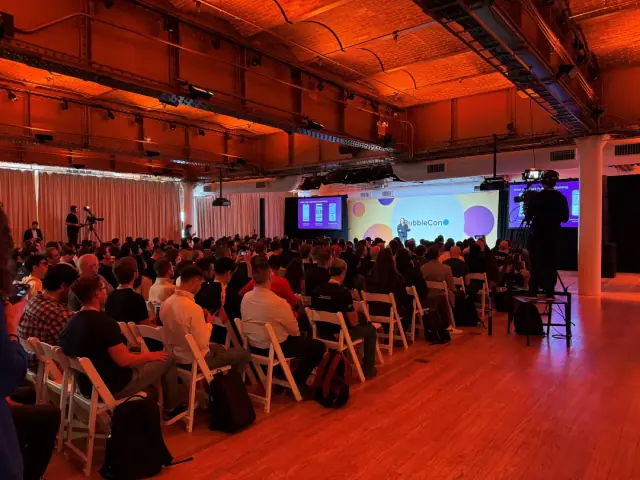
AppMaster participated in BubbleCon 2024 in NYC, gaining insights, expanding networks, and exploring opportunities to drive innovation in the no-code development space.

Meta has agreed to pay $725 million to settle the Cambridge Analytica data breach class-action lawsuit, and eligible Facebook users can now claim their share.

Meta, the parent company of Facebook, is preparing to pay out a whopping $725 million to resolve the infamous Cambridge Analytica data breach class-action lawsuit. The scandal, which occurred around four years ago, involved the unauthorized collection and sharing of personal data belonging to approximately 87 million Facebook users. After much anticipation, about 280 million current and former Facebook users can now potentially claim their share of the settlement.
While the settlement amount may seem substantial, individual payouts are expected to be modest. The data breach, considered one of the darkest chapters in Facebook's history, resulted not from a hack but rather from a lack of oversight on the platform's part. At the time, Mark Zuckerberg, CEO of Meta and founder of Facebook, admitted in a 2018 interview that the incident constituted a 'major breach of trust' and acknowledged the company's responsibility to protect user data.
Meta and Facebook have simplified the process for users to claim their portion of the settlement by launching an online Claim Form. Eligible users must have been members of Facebook between May 24, 2007, and December 22, 2022, and claims must be submitted by August 25, 2023, at 11:59 PM PT. Even if you've deleted your Facebook account, you may still be entitled to compensation.
However, some users may be hesitant to provide the personal information required to submit a claim, given Meta's record on data privacy. The form requests details such as your full name, address, email, phone number, and payment information, including credit cards, PayPal, Venmo, and Zelle. This last piece of information is necessary for Meta to distribute the settlement funds to successful claimants.
In addition to raising concerns about data privacy, the relatively small individual payout amounts may deter some users from participating in the claim process, potentially resulting in a higher share for those who do participate. Nonetheless, the resolution of the Cambridge Analytica lawsuit marks a critical moment in addressing data privacy issues within the tech industry.
As the no-code movement continues to gain momentum, platforms like AppMaster.io help ensure that businesses prioritize user data protection by offering a robust and trustworthy no-code environment for building backend, web, and mobile applications. With an integrated development environment (IDE) that accelerates the development process while eliminating technical debt, AppMaster.io empowers both small businesses and enterprises to create secure and scalable software solutions.
 Oct 04, 20241 min
 Sep 23, 20241 min
 Aug 08, 20241 min
Experiment with AppMaster with free plan.
When you will be ready you can choose the proper subscription.


