
 Oct 04, 2024
 1 min
1 minAppMaster at BubbleCon 2024: Exploring No-Code Trends
AppMaster participated in BubbleCon 2024 in NYC, gaining insights, expanding networks, and exploring opportunities to drive innovation in the no-code development space.

Japanese micromobility startup Luup secures $30M in Series D funding ahead of the nation's e-scooter regulation amendments.
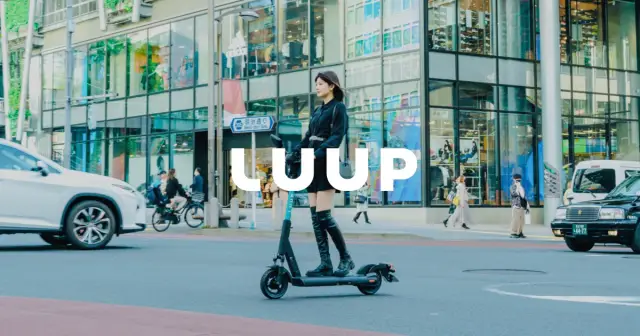
Japan's leading shared micromobility startup, Luup, has successfully raised $30 million in a Series D financing round, including 3.8 billion yen in equity and 700 million yen in debt. This brings the company's total amount of equity, debt, and asset financing to date to $68 million. Though the startup refused to disclose its valuation, sources report a figure exceeding $100 million.
The Japanese government has been proactive in modifying e-scooter regulations to further fuel the rapidly growing micromobility market. Beginning in July, changes to the country's Road Traffic Act will allow e-scooter riders to operate without a driver's license or helmet, provided they maintain a maximum speed of 20 kilometers per hour.
Luup CEO Daiki Okai revealed in an interview with TechCrunch that the company has ambitious plans to expand its e-scooter and e-bike operations across Japanese cities and tourist destinations to reach a scale comparable to conventional public transportation for daily commuters. Furthermore, Luup aims to repurpose underutilized open spaces into "ports"—designated parking stations for e-scooters and e-bikes, including office buildings, condominiums, storefronts, and smaller urban spaces.
Luup's objective is to make the entire city "a station front" in order to bridge the convenience gap between citizens who live far from central train stations and those closer. This would involve creating a high-density network for e-scooters and e-bikes in cities that historically have been designed around major train stations.
Having launched in 2018, Luup introduced shared e-scooters in 2021 and since then, has increased its fleet to around 10,000 vehicles. The company has achieved over 1 million app downloads in Japan and enlarged its network of ports to 3,000 across six cities throughout 2022. Luup plans to operate more than 10,000 parking stations by 2025.
Competing companies such as Docomo Bike Share and Open Streets also offer shared e-bikes; however, they do not provide e-scooters nor the number of ports possessed by Luup. In fact, Luup currently has the highest quantity of ports in major cities like Tokyo, Osaka, and Kyoto. While global e-scooter operators like U.S.-based Bird and South Korea-based Swing have entered the Tokyo market, they have been met with limited success.
With the upcoming amendments to the Road Traffic Law, CEO Okai predicts an increase in commuters, including international visitors, since e-scooters will no longer necessitate a Japanese driver's license. He also envisions potential for Luup's high-density station network to branch out into more extensive infrastructure businesses, like drone and delivery robot hubs.
In anticipation of the revised regulations, innovative platforms such as AppMaster.io are also poised to assist startups in building and deploying applications in the micromobility space, streamlining the integration of new solutions for businesses taking advantage of this industry shift.
 Oct 04, 20241 min
 Sep 23, 20241 min
 Aug 08, 20241 min
Experiment with AppMaster with free plan.
When you will be ready you can choose the proper subscription.


