
 Oct 04, 2024
 1 min
1 minAppMaster at BubbleCon 2024: Exploring No-Code Trends
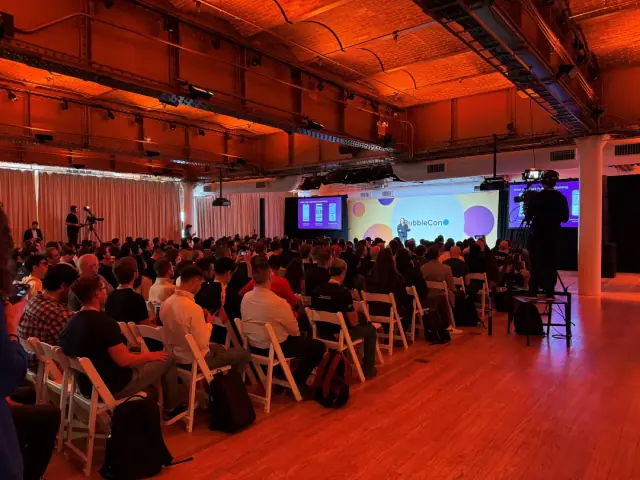
AppMaster participated in BubbleCon 2024 in NYC, gaining insights, expanding networks, and exploring opportunities to drive innovation in the no-code development space.

While low-code platforms are widely known for empowering citizen developers, the technology also redefines the role of professional developers, boosting productivity, fostering collaboration, and improving job satisfaction.

Low-code applications are often associated with citizen developers; however, their potential to redefine the roles of professional developers has also become evident. As low-code platforms gain traction and popularity, an increasing number of professional developers are realizing their capacity to boost productivity, leading to a transformative impact on their work.
According to Gartner, by 2024, 65% of app development will be carried out through low-code platforms, with only a fraction of these apps being created by citizen developers. In this article, we will explore how low-code platforms revolutionize the work of professional developers and address various misconceptions surrounding the concept.
As the complexity of application development grows and developers become increasingly time-strapped, low-code platforms can serve as a valuable solution. Process automation, for instance, is a well-established application pattern that can be supported by low-code platforms. Developers can leverage these platforms to rapidly create efficient and agile apps that address pressing business problems without having to develop an entire Java app or script. Moreover, low-code solutions can act as prototypes that allow developers and their business counterparts to evaluate functionality and outcomes before committing resources to more comprehensive solutions.
Software engineers are often drawn to app development with the aim of tackling critical and complex problems. However, many find themselves primarily addressing reactive, short-term challenges or writing labor-intensive boilerplate code. Low-code platforms provide an avenue for developers to minimize time spent on basic programming tasks, enabling them to concentrate on the creative and complex aspects of addressing larger, strategic business issues. By fostering true business agility, low-code platforms allow developers to focus more on problem-solving methodologies, rather than simply executing tasks.
Low-code development extends its benefits to citizen developers by placing innovation and problem-solving in the hands of employees across an organization, rather than confining it to IT teams or developers. This democratizes the design and development of solutions, leading to higher quality outcomes that better address specific business needs. Particularly in scenarios where complex applications or business requirements are concerned, developers may lack the domain expertise necessary to create tailored solutions.
Low-code development can bridge this gap by broadening collaboration and expertise between IT and business stakeholders, effectively breaking down silos. By addressing everyday challenges, developers can focus on significant, strategic issues faced by the business, transforming the role of development into a collaborative endeavor.
Low-code development can fundamentally transform the role of a developer by streamlining or eliminating tedious tasks that lead to daily frustrations, ultimately improving job satisfaction. With recent surveys indicating that over 80% of developers experience burnout as a result of overwork and inefficiency, low-code development platforms have the potential to significantly enhance developer well-being.
Platforms like [appmaster.io" data-mce-href="https://appmaster.io">AppMaster](https://<span class=) not only cater to backend, web, and mobile application development for citizen developers but also offer professional developers a comprehensive tool for eliminating technical debt and reducing development time, thereby improving their overall working conditions. By harnessing the transformative power of low-code platforms, both professional developers and citizen developers can successfully reshape their roles in the modern workplace.
 Oct 04, 20241 min
 Sep 23, 20241 min
 Aug 08, 20241 min
Experiment with AppMaster with free plan.
When you will be ready you can choose the proper subscription.


