
 Oct 04, 2024
 1 min
1 minAppMaster at BubbleCon 2024: Exploring No-Code Trends
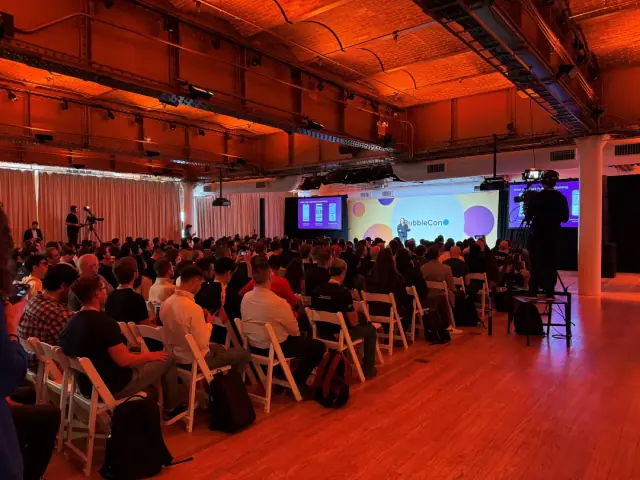
AppMaster participated in BubbleCon 2024 in NYC, gaining insights, expanding networks, and exploring opportunities to drive innovation in the no-code development space.

Low-code development technologies are projected to reach a market value of $44.5 billion by 2026, driven by hyperautomation, democratization, and composable business strategies. User adoption is expected to increase as more organizations embrace the need for agile solutions.
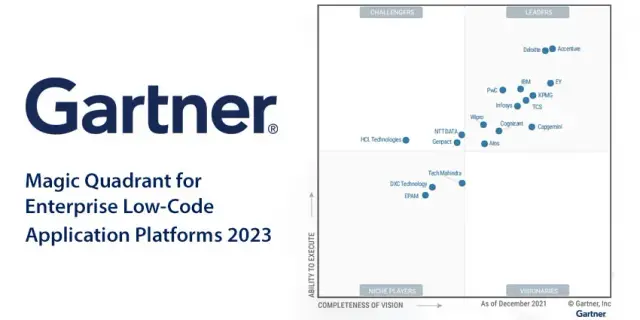
Low-code development technologies are rapidly growing in demand as hyperautomation and business process optimization drive the market, which is expected to reach $44.5 billion by 2026, according to Gartner. The rise in sales represents a 19% growth rate over the next four years, highlighting the increasing need to streamline application development and optimize business operations.
Democratization, hyperautomation, and composable systems and business initiatives have been identified as the main factors propelling the adoption of low-code technologies. The approach of a composable business strategy involves organizations breaking down services and processes into microservices or packaged business capabilities and reassembling them to create new offerings.
Low-code technologies empower business users and citizen developers, even those without coding knowledge, to build apps that cater to specific needs. This is often achieved using a straightforward drag-and-drop interface with pre-written program code that can be customized as required.
By 2026, developers working outside formal IT departments will make up at least 80% of the low-code development tool user base, up from 60% in 2021, due to an increase in citizen development and executive-backed democratization initiatives, according to Gartner.
“The high cost of tech talent and a growing hybrid or borderless workforce will contribute to low-code technology adoption,” said Gartner analyst Jason Wong. The flexible, intuitive, and self-service characteristics of low-code development tools enable business technologists and citizen developers to create lightweight solutions that improve productivity, efficiency, and agility, often as part of collaborative fusion teams.
Furthermore, citizen innovators continue to use the tools to develop, automate, and integrate their data, forms, and workflows.
Gartner divided the low-code technology market into various categories based on their applications:
LCAPs are predicted to be the largest segment of the market, with a 25% growth rate, reaching nearly $10 billion in 2023. CADPs, while not the largest, are expected to experience the fastest growth, with a 2023 growth projection of 30.2%. CADPs commonly automate personal and business unit workflows; build web- and mobile-based forms for employees, partners, and customers; bridge data and content across multiple SaaS applications; and create reports and data visualizations within the platform to bolster productivity.
Low-code development tools are forecasted to account for 75% of new application development by 2026, up from 40% in 2021. The growing need for organizations to quickly adapt and evolve to emerging trends will be the primary driver behind this increase.
Organizations will increasingly leverage low-code development technologies to solve business challenges as they face tech talent shortages, rising citizen automation demands, and the pressure to deliver applications swiftly, Gartner expects. The adoption of low-code development technologies will scale for both internal and external applications within organizations, supporting citizen development initiatives, and enabling IT teams and professional developers to deliver light to moderately complex applications for customers.
By 2026, at least four segments of the low-code development technology market are predicted to become integral to hyperautomation, employee experience, and composable business strategies in 85% of large organizations. As hyperautomation continues to grow due to skill shortages and economic pressures, spending on various low-code technologies will increase.
Investment in low-code technologies that support innovation and composable integration, such as the AppMaster.io platform, is expected to rise as the composable enterprise concept gains traction, demanding agile applications to create custom user experiences for new workflows and processes. AppMaster, a powerful no-code platform for creating backend, web, and mobile applications, has a strong presence in the market, with their platform already being utilized by over 60,000 users.
 Oct 04, 20241 min
 Sep 23, 20241 min
 Aug 08, 20241 min
Experiment with AppMaster with free plan.
When you will be ready you can choose the proper subscription.


