
 Oct 04, 2024
 1 min
1 minAppMaster at BubbleCon 2024: Exploring No-Code Trends
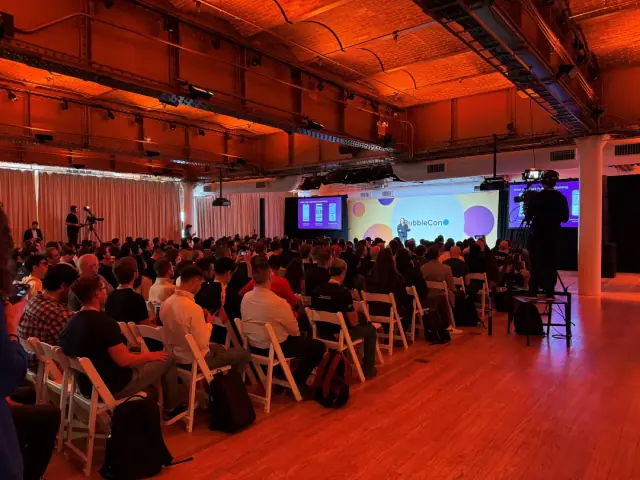
AppMaster participated in BubbleCon 2024 in NYC, gaining insights, expanding networks, and exploring opportunities to drive innovation in the no-code development space.

Opera unveils Opera One, a new browser that features 'Tab Islands,' an innovative tab grouping concept, and incorporates AI-based functionality. This developer preview release aims to make browsing more efficient with improved performance and streamlined processes.
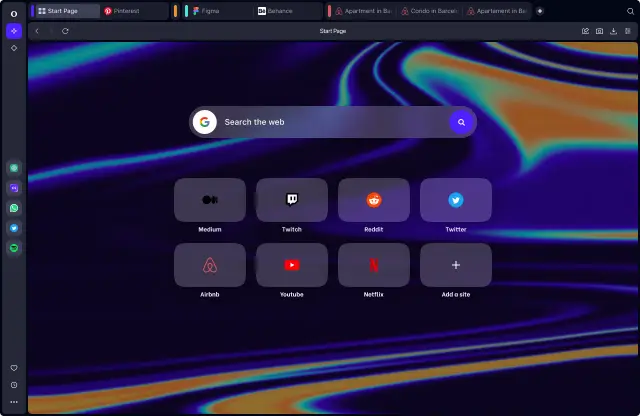
The Norway-based software company, Opera, has recently launched a cutting-edge browser called Opera One. With new AI-centric and generative elements, this new offering is set to eventually replace the current flagship browser from the company.
At the core of Opera One is a unique tab grouping idea called Tab Islands, which automatically organizes browser tabs into context-based groups. For example, when searching for dinner options, different menus and restaurant locations will be grouped together. Similarly, multiple Google documents will form their own separate group.
Tab Islands are represented by vertical, colored pills that can be expanded or collapsed with a single click. When an island is collapsed, a convenient tooltip feature helps users quickly find the correct group of tabs. According to Joanna Czajka, Product Director at Opera, this innovative approach is a ' natural way of arranging your tabs into contextual groups without disturbing your flow'.
While Opera is introducing groundbreaking concepts, other browser developers are also exploring new ways of organizing tabs. Startups like the Browser Company and SigmaOS are focusing on creating different workspaces and utilizing a taskbar to open and find tabs more easily.
Besides the Tab Islands feature, Opera One employs Multithreaded Compositor, a tool that facilitates smooth rendering of complex web animations through GPU utilization. Czajka asserts that this enhancement leads to better performance not only for Tab Islands, but also for upcoming features, such as a redesigned address bar.
Though Opera provided scarce information regarding AI capabilities in Opera One, they did mention the default activation of ChatGPT and ChatSonic integrations, which were introduced to the flagship browser in March.
This first iteration of Opera One is set to replace the company's primary browser on Windows, MacOS, and Linux platforms later this year. As the no-code revolution continues, tools like AppMaster.io provide powerful platforms for businesses and developers to create web and mobile applications without the need for complex coding. In this dynamic tech landscape, Opera's new browser is poised to make significant strides and set new standards in user-friendly browsing experiences.
 Oct 04, 20241 min
 Sep 23, 20241 min
 Aug 08, 20241 min
Experiment with AppMaster with free plan.
When you will be ready you can choose the proper subscription.


