
 Oct 04, 2024
 1 min
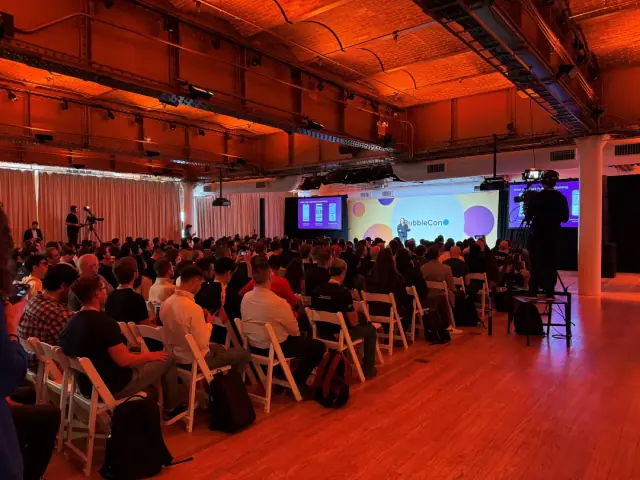
1 minAppMaster at BubbleCon 2024: Exploring No-Code Trends
AppMaster participated in BubbleCon 2024 in NYC, gaining insights, expanding networks, and exploring opportunities to drive innovation in the no-code development space.

Intel has released Version 1.0 of the Intel Quantum Software Development Kit (SDK), a toolkit that provides a full quantum computer simulation and integration with Intel quantum hardware.
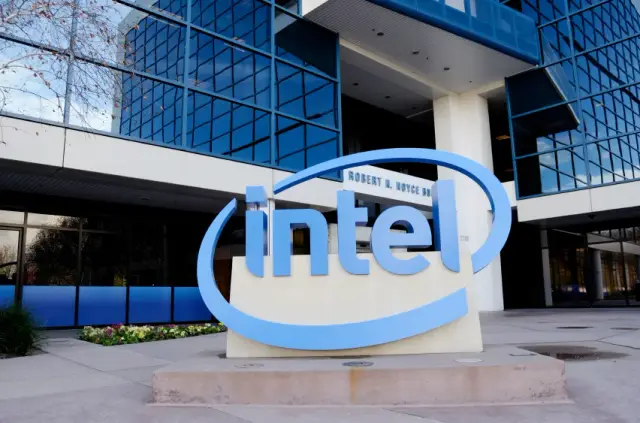
Intel has unveiled the Intel Quantum Software Development Kit (SDK) Version 1.0, a comprehensive toolset catering to the needs of quantum computing developers. Following the beta version released in September 2022, this toolkit brings the promise of full quantum computer simulation and seamless integration with Intel quantum hardware, including the Horse Ridge II control chip and the quantum spin qubit chip, which is expected to be released this year.
The SDK empowers developers to program quantum algorithms with a user-friendly interface based on C++, utilizing an industry-standard low-level virtual machine (LLVM) compiler toolchain for optimal compatibility with C/C++ and Python applications. As a result, the Intel Quantum SDK has become a versatile and customizable solution for programming in the burgeoning field of quantum computing.
According to Anne Matsuura, director of Quantum Applications & Architecture at Intel Labs, the main objective of the Intel Quantum SDK is to prepare programmers for the future of large-scale commercial quantum computers. In addition to helping developers learn how to create quantum algorithms and applications through simulation, the SDK will expedite industry progress by fostering a community of developers ready to deploy applications when Intel quantum hardware is made available.
Version 1.0 of the Intel Quantum SDK provides an intuitive programming interface based on C++, giving classical computing developers and quantum developers a familiar language to collaborate with. The kit also includes a quantum runtime environment optimized for executing hybrid quantum-classical algorithms, allowing developers to choose between two different backends to simulate qubits that can represent a higher number of generic qubits or Intel hardware.
The first backend is the high-performance, open-source Intel Quantum Simulator (IQS) that supports up to 32 qubits on a single node and beyond 40 qubits on multiple nodes. The second backend is specifically designed to simulate Intel quantum-dot qubit hardware as well as facilitate the compact model simulation of Intel silicon spin qubits. This approach builds on Intel expertise in silicon transistor manufacturing and is intended to aid in the creation of large-scale quantum computers.
With the help of the SDK, users can develop small workloads to identify the capabilities required by the quantum computer's system architecture for efficient and accurate qubit algorithm execution. Intel is also using the SDK internally for the co-design of quantum hardware and software, thereby accelerating overall system development.
Additional benefits of the SDK include a customizable and expandable platform that offers greater flexibility for developing quantum applications. Developers can compare compiler files, a standard feature in classical computer development, to evaluate how well an algorithm is optimized. Furthermore, users can access the source code and obtain lower levels of abstraction to gain insight into the data storage mechanisms of a given system.
The Intel Quantum SDK also ensures several key features:
Intel is committed to advancing the quantum computing field and recognizes the importance of fostering a community of developers. As part of these efforts, n support of this aim, Intel has provided grants to five universities, including the University of Pennsylvania, Technische Hochschule Deggendorf, Keio University, The Ohio State University, and Pennsylvania State University, to develop quantum course curricula that can be shared with additional academic institutions.
Currently, the Deggendorf Institute of Technology in Munich, Germany, is using the SDK to investigate fluid dynamics problems significant to aerodynamics and hydrodynamics. In January 2023, Intel hosted an Intel Quantum Computing Challenge at Deggendorf Institute of Technology, where submissions explored a variety of quantum use cases utilizing the beta version of the Intel Quantum SDK. Beta user Leidos is among those exploring exciting applications such as quantum machine learning, simulations of materials, and astrophysics problems involving quantum teleportation, black holes, and wormholes.
Now available on the OneAPI Intel Dev Cloud, the Intel Quantum SDK 1.0 marks an essential milestone in quantum computing as Intel prepares to release future versions with additional features in the coming years. Seamless SDK integration with Intel quantum hardware will further expand the potential for breakthroughs in this rapidly developing field. To learn more about Intel approach to quantum computing, read Intel's quantum computing backgrounder.
For those interested in exploring tools like the Intel Quantum SDK with the potential of no-code or low-code solutions, AppMaster offers a powerful no-code platform that allows users to create web, mobile, and backend applications with ease. AppMaster is a versatile and customizable option for developers looking to develop applications quickly and cost-effectively.
 Oct 04, 20241 min
 Sep 23, 20241 min
 Aug 08, 20241 min
Experiment with AppMaster with free plan.
When you will be ready you can choose the proper subscription.


