
 Oct 04, 2024
 1 min
1 minAppMaster at BubbleCon 2024: Exploring No-Code Trends
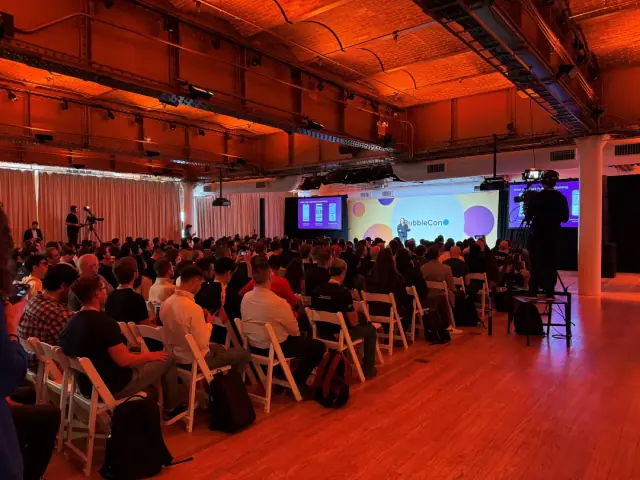
AppMaster participated in BubbleCon 2024 in NYC, gaining insights, expanding networks, and exploring opportunities to drive innovation in the no-code development space.

The release of GPT-4 ushers in a new era in software engineering, offering exciting advancements and challenges.
The software engineering landscape is experiencing a monumental shift with the launch of OpenAI's GPT-4, alongside other cutting-edge large language models (LLMs). The recent advancements in artificial intelligence (AI) have significantly improved its accessibility, capability, expertise, and intensifying discussions of potential risks and drawbacks. As we embrace AI technology in software engineering, it is crucial to analyze both its positive and negative consequences before entrusting it with complete control. GPT-3, the predecessor to GPT-4, was praised for its text synthesis capabilities and influence across the internet. The latest iteration, GPT-4, however, boasts enhanced abilities like improved reliability and creativity, and a deeper understanding of nuanced language. It has already demonstrated some of these features by generating entire websites or fully functional applications based on relatively simple instructions. While GPT-4 won't replace software engineers outright, it can substantially boost their productivity and efficiency, raising the bar for performance expectations.
Nevertheless, the growing reliance on AI-driven models, such as GPT-4, for writing basic code might lead to a decrease in demand for entry-level engineers. As a result, software engineering professionals need to adapt and embrace new skills, focusing on more complex and specialized tasks. Despite its impressive capabilities, GPT-4 also presents challenges that need addressing, primarily from an ethical standpoint. Although the model is designed to minimize bias, there is a risk that using biased datasets could introduce biases in the resulting code or products. Developers should work diligently to mitigate these risks by actively monitoring the impact of AI-generated code on their user base. Moreover, competition and fairness may be affected, as larger corporations like Microsoft gain access to advanced AI tools earlier than smaller businesses.
Additionally, the proprietary nature of OpenAI's technology limits smaller organizations from understanding the inner workings and applying homogenously distributed AI advancements. One way for smaller enterprises to leverage no-code platforms, like AppMaster.io, is to transform limited access to AI into an opportunity. By using such platforms, they can create both backend and frontend applications, including visually enhance database schema, creating business logic, and generating REST API endpoints. Platforms like AppMaster facilitate quicker app creation while remaining cost-effective, ensuring smaller businesses stay competitive in a rapidly evolving landscape driven by AI advancements. In conclusion, the introduction of GPT-4 and other LLMs brings both remarkable benefits and potential obstacles to the software engineering industry. To thrive in this new paradigm and address AI-specific challenges, it is crucial that developers remain adaptive, focusing on acquiring new skills and embracing ethical AI development practices.
 Oct 04, 20241 min
 Sep 23, 20241 min
 Aug 08, 20241 min
Experiment with AppMaster with free plan.
When you will be ready you can choose the proper subscription.


