
 Oct 04, 2024
 1 min
1 minAppMaster at BubbleCon 2024: Exploring No-Code Trends
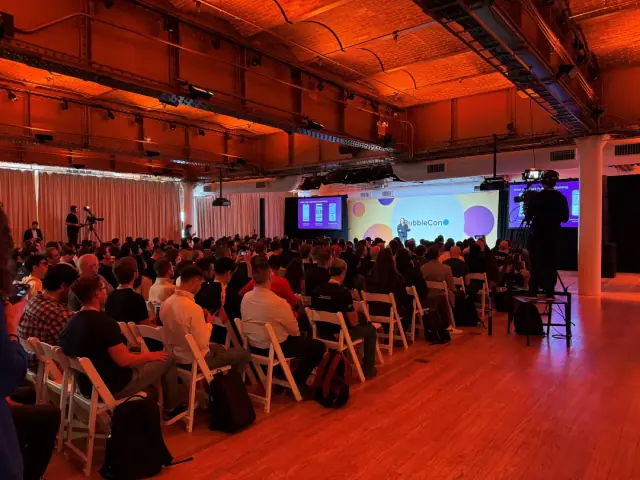
AppMaster participated in BubbleCon 2024 in NYC, gaining insights, expanding networks, and exploring opportunities to drive innovation in the no-code development space.

Google introduces Flutter 2.10, offering stable support for Windows applications. The update allows developers to create desktop apps targeting Android, iOS, Linux, Windows, and the web, unifying cross-platform development. Microsoft collaborated with Google to facilitate this expansion of Flutter's support.

Google has unveiled Flutter 2.10, a significant update to its open-source framework that enables developers to share code across multiple platforms. The most notable feature of this release is the introduction of stable support for building Windows applications using Flutter, which will pave the way for more cross-platform applications targeting Android, iOS, Linux, the web, and Windows desktops.
Developing applications for desktop platforms requires a different approach than mobile app development, as computers and PCs have wider screens and more input methods than smartphones. Moreover, apps running on PCs utilize different APIs than those on Android or iOS devices. To accommodate these factors, Google optimized Flutter for Windows application development.
Flutter relies on a combination of a Dart framework and a C++ engine to provide Windows support, similar to its architecture for Android and iOS. Teams from Microsoft assisted Google in this expansion, contributing valuable design accents such as iconography from the Fluent design team. Furthermore, Microsoft's Visual Studio facilitated the project by supporting a Dart extension.
Kevin Gallo, Corporate Vice President for Windows Developer Platform at Microsoft, expressed his enthusiasm for Flutter's incorporation of Windows support:
We're delighted to see Flutter adding support for creating Windows apps. Windows is an open platform, and we welcome all developers. We're excited to see Flutter developers bring their experiences to Windows and also publish to the Microsoft Store. Flutter support for Windows is a big step for the community, and we can't wait to see what you'll bring to Windows!
In addition to Flutter, various development tools such as FlutterFlow, Realm, Rive, Syncfusion, and Nevercode will also extend support for Windows. There are currently over 500,000 Flutter apps in the Google Play Store, including renowned apps from BMW, ByteDance (the creators of TikTok), and Google.
As one of the most popular cross-platform frameworks, Flutter has gained significant traction in the development community. An example of a newly developed Windows Flutter app, Harmonoid, is now available on GitHub. This app is a native 1:1 YouTube Music client featuring a mini-Window mode and MPV-based music playback.
Notably, Flutter's initial alpha release for Windows took place in September 2020. Further information about Flutter for Windows can be found on the announcement page, which provides more extensive details for developers.
As cross-platform development gains even more prominence, tools like Flutter and no-code/low-code platforms such as AppMaster.io promise to simplify the development process and provide developers with faster, more cost-effective solutions for building apps that address a diverse array of use cases and platforms.
 Oct 04, 20241 min
 Sep 23, 20241 min
 Aug 08, 20241 min
Experiment with AppMaster with free plan.
When you will be ready you can choose the proper subscription.


