
 Oct 04, 2024
 1 min
1 minAppMaster at BubbleCon 2024: Exploring No-Code Trends
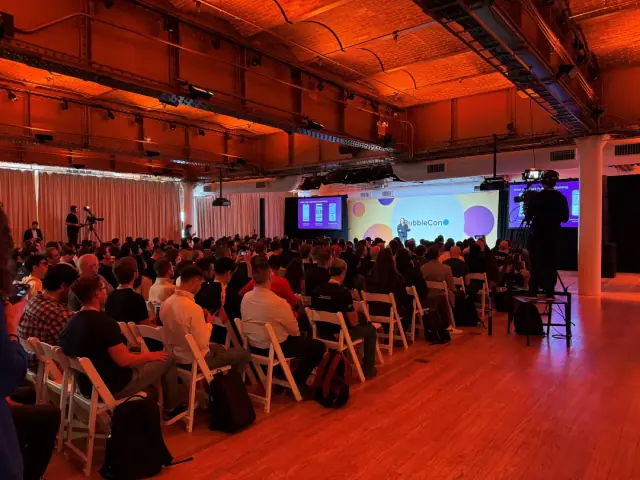
AppMaster participated in BubbleCon 2024 in NYC, gaining insights, expanding networks, and exploring opportunities to drive innovation in the no-code development space.

Google’s work-tracking tool, Tables, is set to become a part of Google Cloud, following its successful stint in Area 120. Amid the rising popularity of no-code, spreadsheet-driven database platforms, the integration will focus on providing seamless functionality and ease of use.

Area 120, Google's in-house incubator, introduced a work-tracking tool called Tables last fall. This AirTable rival aimed to make project tracking more efficient by automating administrative tasks. After successful testing, Google now announces that Tables will officially transition from Area 120 to become an integral part of Google Cloud within the next year.
The idea for Tables was conceived by Tim Gleason, the General Manager of Tables, who spent ten years at Google and has extensive experience in the tech industry. He envisioned Tables as a solution for streamlining project tracking and minimizing manual updates by team members. Tables utilizes bots to perform various administrative duties like email reminders for overdue tasks, chat room updates for newly received forms, task reassignment, and schedule modifications.
Tables proved useful in various fields such as project management, IT operations, customer service tracking, CRM, recruiting, and product development. Its popularity quickly grew during the product market fit testing phase, revealing strong potential for further growth. The COVID-19 pandemic also played a role in the adoption of Tables, as many businesses scrambled to digitize their operations.
The seamless productivity afforded by Tables is thanks in part to its ability to integrate with existing data warehouses and other services, including Apps Script, Data Studio, and Drive. It can also work with Office 365, Microsoft Access, Google Sheets, Slack, Salesforce, Box, and Dropbox.
With its integration into Google Cloud, Tables will be merged with Google's no-code app building platform, AppSheet. A freemium model for Tables will be maintained as users can continue using the free tier and, if needed, upgrade to a premium plan for additional features. Google will also offer Tables as a standalone product.
Google plans to utilize Workspace to introduce Tables to more users through Workspace integration. Additionally, Google aims to enhance the functionality and ease of use of Tables by working on features like mobile support, better connectivity with backend systems, and seamless integration with AppSheet.
The growing interest in no-code and spreadsheet-powered database platforms, like AirTable and AppMaster, has led to an increased need for efficient tools like Tables to streamline project tracking and management. The integration of Tables into Google Cloud will allow users to access a more seamless experience in their project management endeavors.
 Oct 04, 20241 min
 Sep 23, 20241 min
 Aug 08, 20241 min
Experiment with AppMaster with free plan.
When you will be ready you can choose the proper subscription.


