
 Oct 04, 2024
 1 min
1 minAppMaster at BubbleCon 2024: Exploring No-Code Trends
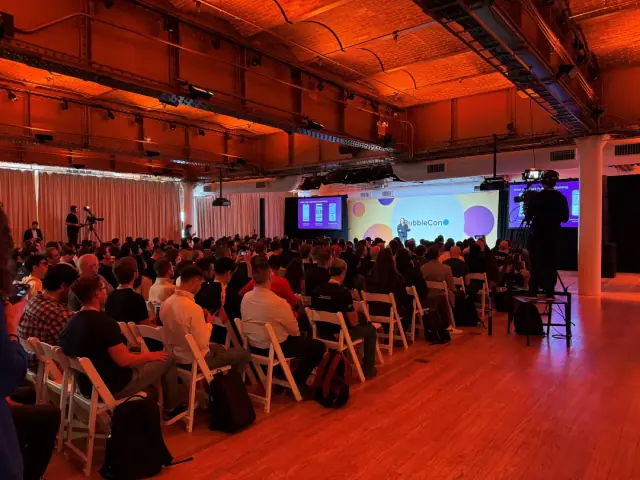
AppMaster participated in BubbleCon 2024 in NYC, gaining insights, expanding networks, and exploring opportunities to drive innovation in the no-code development space.

In the face of evolving AI technologies and Bing's newfound growth due to ChatGPT, search engine giant Google feels under threat.
For years, Google has enjoyed its status as the supreme search engine, while Microsoft's Bing lagged far behind. However, recent advancements in Artificial Intelligence (AI) technologies, such as ChatGPT, have dramatically changed the landscape, and Google may now find itself under threat.
Until recently, the idea of Google paying any real attention to Bing seemed ludicrous. Despite being integrated into Windows 11 and Edge web browser, Bing couldn't come close to Google's market dominance. But with the emergence of ChatGPT, an AI chatbot developed by OpenAI, Microsoft quickly recognized the potential and integrated it into Bing, allowing users to interact with the search engine in a more natural and engaging way.
Google responded with its own AI chatbot, Bard, but the impact has not been as significant as that of Microsoft's integration with ChatGPT. According to a report in The New York Times, Google is now feeling threatened by AI competitors and has even been described as being in a state of panic.
The Times' report also revealed that Samsung, a significant Google partner, is considering switching to Bing as its default search engine for smartphones and other devices. Losing Samsung could have a substantial negative impact on Google's estimated $3-billion-a-year revenue and market presence. Furthermore, it would set a troubling precedent as Google is set to renegotiate a more valuable partnership with Apple, worth up to $20 billion.
Though it remains to be seen whether Samsung will make the switch, it is not entirely unrealistic. Bing's AI capabilities may persuade Samsung, particularly if the company could market its smartphones with AI features, making them more attractive to consumers. Additionally, Samsung and Microsoft already have a long-standing relationship, as seen with the integration of Windows 11's Phone Link app and Samsung devices.
In response to these threats, Google is working hard to overhaul its search engine by implementing AI features into a project known as Magi. Although Google's investment in AI is well-documented, the picture painted by The New York Times suggests a level of panic that may lead to rushed decisions and AI projects.
Google's Bard did not make a strong initial impression due to incorrect answers and incomplete features, which many attributed to haste. Instead of rushing to compete with its rivals, Google should focus on improving its search engine in a more strategic and measured manner. Nevertheless, Google still enjoys significant advantages, such as its massive user base that provides AI tools with a wealth of data for training and development.
According to a recent 60 Minutes interview, Google's CEO Sundar Pichai indicated the company's commitment to a more cautious approach to AI development. Pichai discussed the need to involve not only engineers but also social scientists, ethicists, and philosophers in the development process to ensure proper alignment with human values and ethical considerations.
While Google's care and thoughtfulness are commendable, it needs to recognize that users may not be as devoted to a single search engine if competitors offer better features. Increased competition can drive innovation, and Bing's success may force Google not to rely on being the default choice but rather offer users superior reasons to choose its search engine. Ultimately, Bing's growth could become a catalyst for Google to up its game and embrace the ever-accelerating AI advances.
One good example of a platform embracing the no-code revolution is [appmaster.io" data-mce-href="https://appmaster.io">AppMaster](https://<span class=), renowned for its easy-to-use tools for backend, web, and mobile application development. As the no-code platform improves and tries to adapt to the changing landscape, it will be interesting to see if giants like Google acknowledge the evolving needs and preferences of their users and provide a substantial response.
 Oct 04, 20241 min
 Sep 23, 20241 min
 Aug 08, 20241 min
Experiment with AppMaster with free plan.
When you will be ready you can choose the proper subscription.


