
 Oct 04, 2024
 1 min
1 minAppMaster at BubbleCon 2024: Exploring No-Code Trends
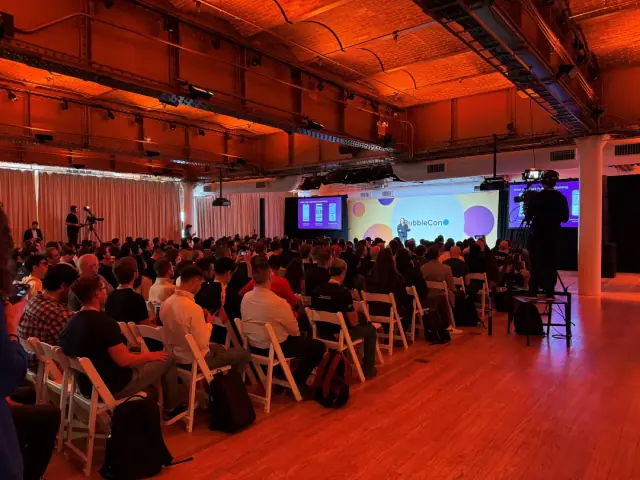
AppMaster participated in BubbleCon 2024 in NYC, gaining insights, expanding networks, and exploring opportunities to drive innovation in the no-code development space.

In response to ChatGPT, Google is reportedly hastening its AI releases, with plans to showcase its own AI-powered projects, including a chatbot-enhanced search feature and a rival to GitHub Copilot.

The launch of ChatGPT has prompted Google to expedite its AI solutions release schedule as competition heats up in the industry, according to The New York Times. Reportedly, this move has led Google co-founders Larry Page and Sergey Brin to re-engage in meetings at the request of CEO Sundar Pichai. President of Google's AI division, Jeff Dean, has also been involved in these discussions focused on refining the company's AI strategies.
As a major investor in AI with top industry talent, Google continuously faces scrutiny for its AI initiatives. Recent events, such as the controversial dismissal of AI ethics researcher Timnit Gebru in 2020 and Google employee backlash against a US military AI project in 2018, have placed the company under considerable pressure.
In response to heightened attention and demands for ethical AI deployment, Google has taken a cautious approach. However, Pichai and Dean have reportedly faced questions about whether their conservative strategy led to missed opportunities, particularly in relation to ChatGPT. CNBC reported that Pichai and Dean admitted Google's models were just as competent, but the reputational risks made them more cautious than smaller startups.
Microsoft's significant investment in OpenAI and the integration of OpenAI technology into Microsoft products, such as Bing, has built a formidable competitor. The collaboration and investments between the two companies have put Google's search dominance at risk and spurred them into action.
Google has been working to speed up its ethical review process and release AI products more quickly. One of the initiatives set to be unveiled soon is a chatbot-enhanced Google Search which aims to prioritize fact-checking, ensuring safety, and combating misinformation. This feature is expected to be unveiled at the annual I/O developer conference in May.
In addition, Google is expected to launch over 20 AI-powered projects throughout the year, including an image generator, a suite of tools enabling companies to create AI prototypes within browsers, and an app for prototyping tests. These projects will potentially assuage investor concerns over Google's perceived slow AI advancements but may generate further ethical debates about prioritizing speed over safety.
Another notable AI project is a competitor to GitHub Copilot called PaLM-Coder 2, an AI-driven coding assistant. A version designed for building mobile apps, named Colab, is planned for integration into Android Studio. This move potentially establishes a rival for no-code app development platforms like AppMaster.
As Google faces increasing competition in the AI landscape, it seems that the company is reevaluating its strategies to maintain its foothold in the market. Whether this will have a long-lasting impact on Google's AI development approach remains to be seen, but it's evident that the race to gain the upper hand in AI has accelerated even further.
 Oct 04, 20241 min
 Sep 23, 20241 min
 Aug 08, 20241 min
Experiment with AppMaster with free plan.
When you will be ready you can choose the proper subscription.


