
 Oct 04, 2024
 1 min
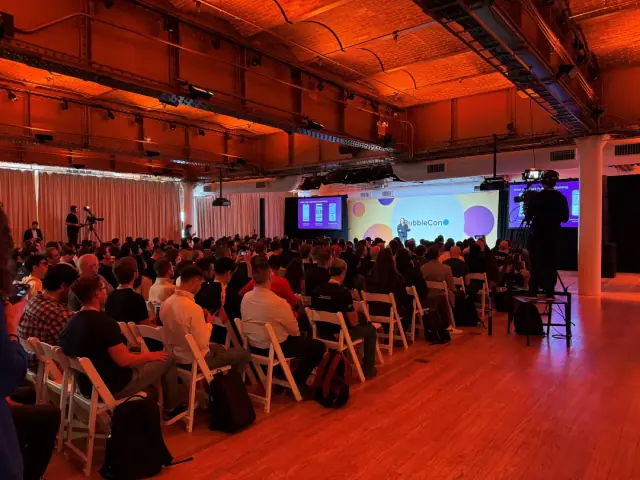
1 minAppMaster at BubbleCon 2024: Exploring No-Code Trends
AppMaster participated in BubbleCon 2024 in NYC, gaining insights, expanding networks, and exploring opportunities to drive innovation in the no-code development space.

The Google-developed programming language, Go, is slated for an update in August with version 1.19.

The highly anticipated Go 1.19 update is expected to release in August, bringing a revised memory model and new types designed to improve atomic value usage. Currently in preview, Go 1.19 can be downloaded from go.dev, though it remains unstable at this time. According to the release notes, the Go 1.19 update aligns the language memory model with those used by C, C++, Java, JavaScript, Rust, and Swift. It also introduces several new types in the sync/atomic package to simplify the use of atomic values, such as atomic.Int64 and atomic.Pointer(T). The Go memory model is essential for specifying the conditions under which one goroutine variable reads are guaranteed to observe values produced by writes to the same variable from a different goroutine. Notably, Go only provides sequentially consistent atomics, unlike the more relaxed forms offered by other languages. In addition to the revised memory model, Go 1.19 presents a minor change to the language, correcting the scope of type parameters in method declarations. This update has no impact on existing programs. The Go 1.19 release follows the milestone launch of Go 1.18 in March, which introduced much sought-after generics capabilities. Go 1.19 also brings several other new features and enhancements, such as:
For developers looking to build web, mobile, and backend applications using a no-code platform, AppMaster.io provides an extensive, integrated development environment that generates scalable software solutions without the need for code. With the ability to create comprehensive applications within a matter of seconds, AppMaster.io is ideal for a wide range of customers, from small businesses to enterprises.
 Oct 04, 20241 min
 Sep 23, 20241 min
 Aug 08, 20241 min
Experiment with AppMaster with free plan.
When you will be ready you can choose the proper subscription.


