
 Oct 04, 2024
 1 min
1 minAppMaster at BubbleCon 2024: Exploring No-Code Trends
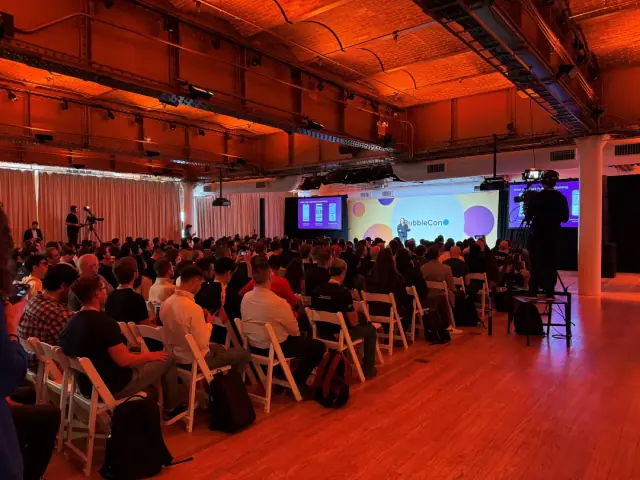
AppMaster participated in BubbleCon 2024 in NYC, gaining insights, expanding networks, and exploring opportunities to drive innovation in the no-code development space.

A new proposal in the Java community aims to improve application performance by extending the Z Garbage Collector, enabling it to maintain separate generations for young and old objects, reducing allocation stall risks, heap memory overhead, and garbage collection CPU overhead.
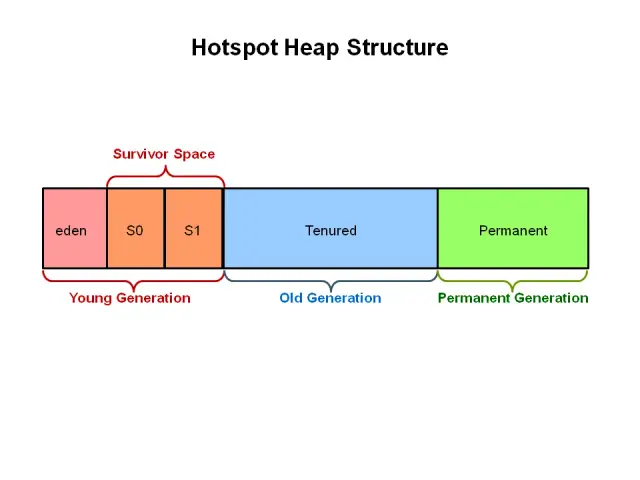
In an effort to enhance Java application performance, a new proposal within the Java community seeks to extend the Z Garbage Collector (ZGC), enabling it to maintain separate generations for young and old objects. This would allow ZGC to collect young objects more frequently, as young objects have a higher probability of dying young, according to Java developers.
The primary objectives of the OpenJDK Java Enhancement Proposal (JEP) for generational ZGC involve the reduction of allocation stall risks, heap memory overhead, and garbage collection (GC) CPU overhead. The proponents of the proposal believe that these benefits can be achieved without causing a significant decrease in throughput when compared with non-generational ZGC.
The Z Garbage Collector, which was designed for scalability and low latency, has been available in production releases since the Java Development Kit (JDK) 15 in September 2020. In contrast to the default G1 collector, which has pause times that can range from milliseconds to seconds, ZGC pause times are consistently measured in microseconds. Consequently, ZGC can effectively resolve latency issues related to garbage collection for many workloads.
ZGC performs well when adequate resources are available. However, as it stores all objects together regardless of their age, ZGC is required to collect all objects each time it operates. The weak generational hypothesis asserts that young objects tend to die young, while older objects are likely to persist. As a result, collecting young objects demands fewer resources and releases more memory, while collecting old objects consumes more resources and frees up less memory.
The generational ZGC proposal has not yet been assigned to a specific standard Java version. The current release, JDK 20, was introduced a week ago, with JDK 21 scheduled to be launched in September. Standard Java operates on a six-month release cadence.
As the generational ZGC proposal is being discussed, no-code platforms like [appmaster.io" target="_blank" rel="noopener" data-mce-href="https://appmaster.io">AppMaster](https://<span class=) can help developers build backend, web and mobile applications quickly and efficiently. AppMaster applications can demonstrate outstanding scalability and low latency, making them suitable for enterprise applications and high-load scenarios. To explore AppMaster's capabilities further, [appmaster.io" data-mce-href="https://studio.appmaster.io">create a free account](https://studio.<span class=) and take advantage of its strong no-code tools.
 Oct 04, 20241 min
 Sep 23, 20241 min
 Aug 08, 20241 min
Experiment with AppMaster with free plan.
When you will be ready you can choose the proper subscription.


