
 Oct 04, 2024
 1 min
1 minAppMaster at BubbleCon 2024: Exploring No-Code Trends
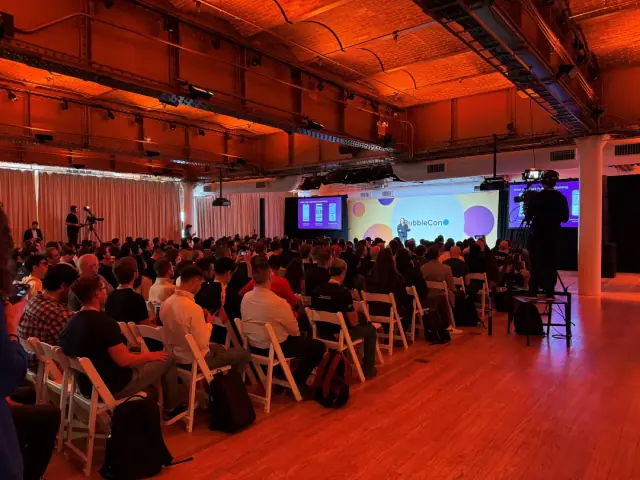
AppMaster participated in BubbleCon 2024 in NYC, gaining insights, expanding networks, and exploring opportunities to drive innovation in the no-code development space.

In a US Congressional hearing on consumer protection, FTC chair Lina Khan and other commissioners spotlighted the risk of AI technologies like ChatGPT turbocharging fraud.

During a Congressional hearing on Tuesday, the Federal Trade Commission (FTC) discussed how artificial intelligence (AI) technologies, such as ChatGPT, could potentially accelerate fraud. The hearing focused on the FTC's role in safeguarding American consumers from deceptive practices resulting from technological advances.
FTC chair Lina Khan acknowledged the numerous opportunities provided by AI but expressed concerns over the risks it poses alongside these advantages. Khan warned the House representatives that AI could significantly enhance the scale and speed of fraud. She emphasized that the market players should be aware that if AI tools are used for deception, they would be liable for FTC action, calling this a 'serious concern'.
In order to tackle the issue, the FTC chair stated that technologists were being integrated into the agency's work on both the consumer protection side and the competition side. This will help in effectively identifying and addressing AI-related issues when they arise.
FTC commissioner Rebecca Slaughter downplayed Khan's statements, pointing out that the FTC had always adapted to new technologies and could continue doing so in order to confront AI-driven fraud. Slaughter urged the agency to wield its existing tools to address changing technologies and not be intimidated by AI's revolutionary nature.
The hearing, attended by Khan, Slaughter, and Commissioner Alvaro Bedoya, was held before the House Energy and Commerce Subcommittee on Innovation, Data, and Commerce, and covered various subjects beyond AI.
Some technology-related topics discussed in the written testimony of the FTC representatives included reducing spam phone calls, actions against deceptive claims by online home buyer Opendoor and the cryptocurrency community, consumer health data protection, children's privacy law (COPPA) violations, and deceptive practices in the gig economy. Other issues included inappropriate junk fees and difficulties in canceling subscriptions, as well as website and app data security.
In February, the FTC established a new Office of Technology (OT) in order to provide in-house technical expertise that supports the agency's legal and policy work. The OT's focus areas include security and privacy, digital markets, augmented and virtual reality, the gig economy, ad tracking technologies, and automated decision-making, such as AI applications.
The creation of the OT aims to bolster the FTC's in-house technical expertise and align the agency with leading international consumer protection and antitrust enforcers. As innovative technologies such as AI continue to evolve and expand, platforms that allow users to create web and mobile applications, like the AppMaster no-code platform, also promise the potential for faster development and reduced costs, keeping the focus on efficiency and user experience.
 Oct 04, 20241 min
 Sep 23, 20241 min
 Aug 08, 20241 min
Experiment with AppMaster with free plan.
When you will be ready you can choose the proper subscription.


