
 Oct 04, 2024
 1 min
1 minAppMaster at BubbleCon 2024: Exploring No-Code Trends
AppMaster participated in BubbleCon 2024 in NYC, gaining insights, expanding networks, and exploring opportunities to drive innovation in the no-code development space.

Enterprise resource planning (ERP) modernization is critical for businesses in a post-pandemic world. Developers play a key role in transforming traditional ERP systems to streamline processes and reduce technical debt. Learn how low-code platforms like AppMaster.io can support these efforts.
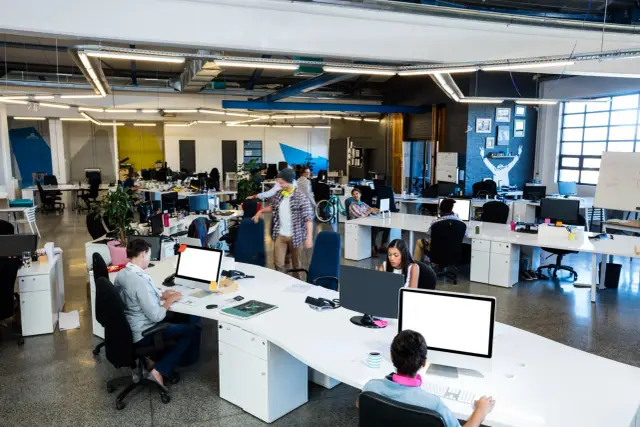
Enterprises strive to adapt to the demands of a post-pandemic landscape, contending with challenges such as supply chain disruptions, talent shortage, and increasing costs. In asset-heavy industries like oil and gas, energy, retail, distribution, and logistics, businesses are re-examining their supply chain processes to build resilience and improve operational efficiency. Enterprise resource planning (ERP) modernization is becoming a vital component in achieving these goals.
However, the journey to modernizing business applications and reducing technical debt is fraught with obstacles, such as outdated systems, legacy talent deficiencies, and cloud migration challenges. Developers and DevOps teams can play a crucial role in breaking barriers and scaling these obstacles to help companies innovate and prosper.
ERP systems have evolved over time and accumulated technical debt; this hinders the ability of large-scale enterprise companies to migrate their applications to cloud-based systems. As IT departments work tirelessly to keep pace with these ongoing upgrades, they face difficulties in creating supply chain resilience when it is most needed.
Besides the technical challenges to modernize legacy applications, the market suffers from a global shortage of skilled ERP developers, particularly those proficient in older languages like ABAP. New talent often prefers working with contemporary languages like Java, Steampunk, and Python, gravitating towards companies that already employ these environments.
Consequently, organizations in need of ERP migrations face the challenge of complex, costly systems developed by silo-skilled programmers. Simplifying these systems in order to evolve is of paramount importance for enterprise leaders, as modernizing legacy applications efficiently and cost-effectively can transform businesses and reduce downtime.
A 2022 report by industry analyst Deepa Salem revealed that more than 80% of enterprises using sophisticated SAP-based ERP solutions plan to upgrade their business applications in conjunction with a major migration of their ERP software platform to the latest, cloud-based version. This approach allows companies to eliminate technical debt, reduce complexity, and leverage the unique business intelligence of their existing ERP environments.
Developers can be the catalyst for this transformation through the utilization of low-code platforms, enabling them to hasten modernization projects stalled due to talent shortages. One such low-code platform is AppMaster.io, which allows developers to generate backend, web, and mobile applications without writing code. The AppMaster platform significantly accelerates the development process while offering remarkable scalability and versatility, making it a powerful ally for developers in innovating ERP systems.
Equipped with low-code and no-code platforms like AppMaster.io, developers can reconfigure ERP-based environments and establish more agile, streamlined, and economical business applications to help enterprises maintain their competitive edge. In the face of evolving technology and business landscapes, success hinges on resilience—and developers are critical to empowering enterprises' survival and prosperity in this new era.
 Oct 04, 20241 min
 Sep 23, 20241 min
 Aug 08, 20241 min
Experiment with AppMaster with free plan.
When you will be ready you can choose the proper subscription.


