
 Oct 04, 2024
 1 min
1 minAppMaster at BubbleCon 2024: Exploring No-Code Trends
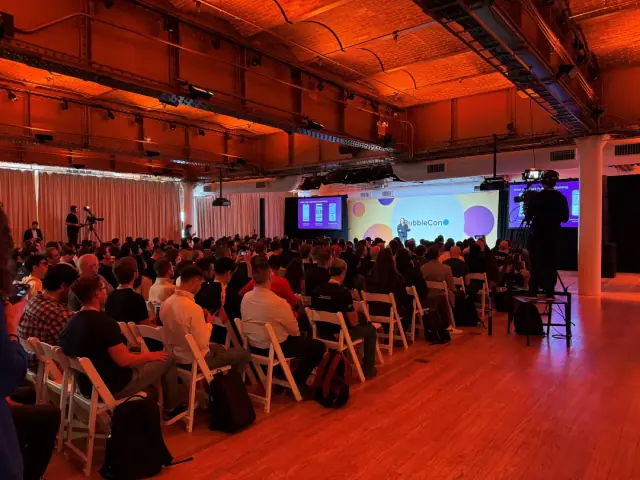
AppMaster participated in BubbleCon 2024 in NYC, gaining insights, expanding networks, and exploring opportunities to drive innovation in the no-code development space.

A new digital divide between the younger generation and older workers is shaping the future of the tech industry. With no-code platforms becoming powerful tools for harnessing computing power, today's children and young adults are not only more tech-savvy but also have a natural understanding of data, inputs, transformations, and outputs.

The digital landscape has evolved significantly, and we now witness the emergence of the No-Code Generation. Historically, a 'digital divide' existed between workers who knew how to use computers and those who did not. Although contemporary digital natives grew up with computer technologies, the majority still lacked proficiency in specific areas like software engineering, computer science, and statistics.
However, recent years have seen a significant shift as more young people become increasingly adept at harnessing the power of computing for daily tasks. Driven by a surge in accessible no-code platforms, we're now witnessing a new digital divide, redefining an era in which advanced skill sets expand from basic computer literacy to superior expertise.
Today's no-code tools, such as Retool, Airtable, Bildr, Shogun, Bubble, and Stacker, simplify complex tasks and enhance productivity. While requiring some form of coding or deductive logic, these platforms empower users to streamline workflows, analyze data, integrate machine learning libraries, and design innovative solutions without the need for a team of engineers.
Applications, including Roblox and Minecraft, give kids the ability to create entire virtual worlds using technology, sparking a desire for new learning experiences. As a result, Advanced Placement tests for computer science have risen from 20,000 in 2010 to over 70,000 in recent years. Computer science has become the top major at leading universities, attracting hundreds of new students annually.
These changes coincide with an increasing demand for data analysis and engineering skills among today's workforce. With expert proficiency in digital tools becoming increasingly crucial to business success, the gap between basic computer literacy and advanced digital aptitude will continue to widen.
Unlike the past, a store manager today might not only upload sales data to an Excel spreadsheet but integrate multiple online tools to develop an e-commerce store, calculate customer lifetime value on a no-code data platform, and customize marketing campaigns using email services. This level of digital fluency demonstrates the No-Code Generation's ability to raise the bar on productivity and innovation.
Unprecedented challenges, such as remote education, have forced today's students to become even more computer literate. The outcome is a generation of adaptable, tech-savvy individuals more proficient in remote work and skilled at harnessing computing technology to solve complex problems.
The rise of the No-Code Generation will significantly impact global productivity and drive innovation to new heights. As children and young adults continue leveraging no-code platforms like AppMaster, they will substantially improve their lives, save time, and bridge the digital divide on a global scale.
 Oct 04, 20241 min
 Sep 23, 20241 min
 Aug 08, 20241 min
Experiment with AppMaster with free plan.
When you will be ready you can choose the proper subscription.


