
 Oct 04, 2024
 1 min
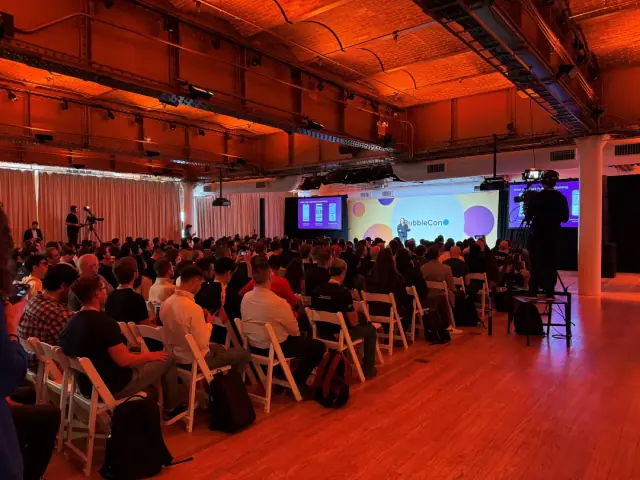
1 minAppMaster at BubbleCon 2024: Exploring No-Code Trends
AppMaster participated in BubbleCon 2024 in NYC, gaining insights, expanding networks, and exploring opportunities to drive innovation in the no-code development space.

Law firms and legal departments face various challenges and barriers to innovation when building legal tech applications.

The legal industry is increasingly adopting digital solutions to streamline processes, save non-billable hours, and enhance client services. In practice, however, law firms and legal departments face barriers to innovation, including keeping IT projects under budget and delivering them within deadlines while minimizing the risk of failure and ensuring successful implementation. To surmount these obstacles, businesses are turning to low-code and no-code platforms to create limitless digital applications.
Both law firms and in-house legal departments frequently encounter difficulties when building their legal tech stack using traditional development techniques. Common routes to development include:
These conventional methods result in high risk, increased costs, missed deadlines, obstructed ideation, and inadequate adoption of IT solutions.
Leading law firms and in-house legal departments increasingly leverage low-code and no-code (LCNC) platforms to empower business users and lawyers to build digital solutions collaboratively with IT departments. Custom-built applications, through LCNC development, offer dynamic solutions tailored to the organization's needs. No-code development fosters agile, iterative cycles, encouraging frequent testing and consistent improvement. This approach ensures that solutions meet users' needs, allows business users to maintain applications independently, and eases the workload on IT departments while remaining adaptable to future organizational requirements. However, organizations embarking on no-code development journeys often grapple with challenges such as identifying urgent business needs, scoping applications, allocating timelines and budgets, proving ROI, gaining internal stakeholder buy-in, onboarding end-users, and implementing organization-wide changes.
To address these challenges and navigate the transition to no-code solutions, organizations should consider the following steps:
By recognizing and overcoming the challenges in conventional legal tech development, organizations can harness the potential of custom-built applications using no-code platforms. The no-code movement enables lawyers and business users to collaborate with IT departments, ultimately creating limitless digital applications capable of driving efficiency, innovation, and client satisfaction.
 Oct 04, 20241 min
 Sep 23, 20241 min
 Aug 08, 20241 min
Experiment with AppMaster with free plan.
When you will be ready you can choose the proper subscription.


