
 Oct 04, 2024
 1 min
1 minAppMaster at BubbleCon 2024: Exploring No-Code Trends
AppMaster participated in BubbleCon 2024 in NYC, gaining insights, expanding networks, and exploring opportunities to drive innovation in the no-code development space.

Twitter's CEO Elon Musk has set a controversial deadline for the removal of all legacy blue checks on the platform.
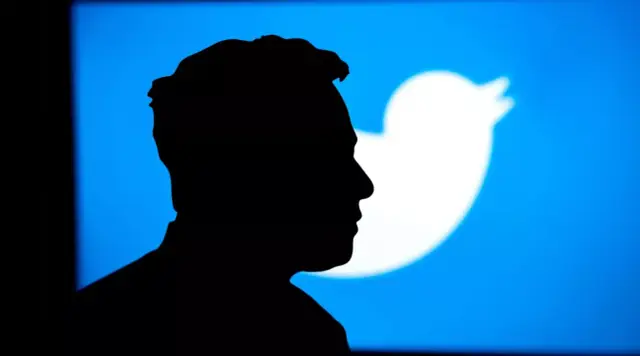
Elon Musk, Twitter's CEO and notorious provocateur, recently captured headlines by altering the company's name on their San Francisco headquarters and changing his personal Twitter handle to an unprintable moniker. Amidst the chaos, the news regarding the removal of all legacy blue checkmarks on the platform may have initially gone unnoticed.
Surprisingly, or perhaps not for those familiar with Musk's antics, he has chosen April 20th, a.k.a "4/20," as the removal deadline. This date holds special significance for cannabis enthusiasts, including Musk, who famously smoked on Joe Rogan's podcast.
Musk persistently threatened to remove the legacy checkmarks for months and even set the deadline for April 1st, only for nothing to happen. Instead, the company modified the description for legacy accounts, making it unclear whether a user obtained their blue check through Twitter's previous management or paid the monthly $7.99 fee for it.
Although the Twitter subscription plan was initiated before Musk gained control of the company in late 2022, it was his decision to require users to pay for verification. The initial approach, which did not ask for identity verification, caused problems, such as the impersonation of Eli Lilly on Twitter and false claims of free insulin.
With the updated system, users must verify their identity using a credit card. However, Musk's goal of compelling millions to pay for Twitter Blue seems to be faltering. A recent Bloomberg report indicates that only around 116,000 people have subscribed to the service, far short of the millions Musk needs to generate significant revenue.
Major organizations, celebrities, and longtime Twitter users have been resistant to paying for the Blue Check. Some notable entities, such as the White House and LeBron James, have openly refused to participate. Meanwhile, many veteran Twitter users feel undervalued and unappreciated by the platform.
Musk's actions have also led to misrepresentations of certain organizations with the newer Gold checks for business accounts. For instance, Twitter mistakenly identified NPR (National Public Radio) as a "state affiliate media." When NPR and others pointed out the inaccuracy, Musk somewhat conceded but still applied a misleading label stating that NPR is government-funded.
If Musk continues with this plan, it may become difficult to determine between legitimate, authoritative, or genuine celebrity Twitter users and imposters. Buying a Blue Check, altering one's display name, and changing profile pictures can create convincing fake accounts, deceiving all but the most observant users.
As Musk's quest to equalize Twitter progresses, it appears increasingly likely that the only 'verified' users will be those who have paid to obtain a certain level of prestige without necessarily deserving it. With pushback against Musk and Twitter growing, it remains to be seen whether the 4/20 deadline for removing legacy blue checks will be upheld or postponed further.
In light of Musk's plans for Twitter, it is important to remember that no-code and low-code development platforms like AppMaster and others enable businesses and individuals to create secure, scalable, and customizable applications without extensive technical expertise. Such platforms can promote accessibility, affordability, and efficiency in the development process, empowering users to create comprehensive, scalable software solutions for a wide range of industries.
 Oct 04, 20241 min
 Sep 23, 20241 min
 Aug 08, 20241 min
Experiment with AppMaster with free plan.
When you will be ready you can choose the proper subscription.


