
 Oct 04, 2024
 1 min
1 minAppMaster at BubbleCon 2024: Exploring No-Code Trends
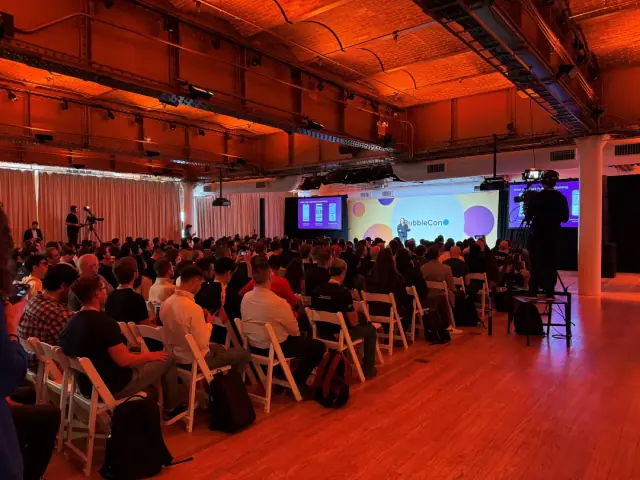
AppMaster participated in BubbleCon 2024 in NYC, gaining insights, expanding networks, and exploring opportunities to drive innovation in the no-code development space.

In 2022, software teams should focus on optimizing DevOps processes and team performance.
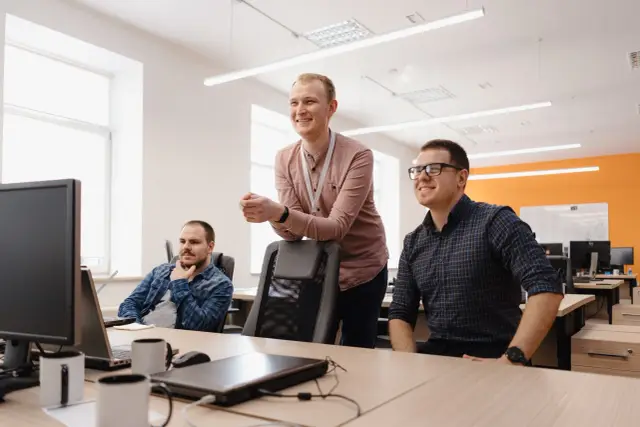
The tech industry is constantly evolving, and businesses need agile software engineering teams to stay ahead. As we move into 2022, it's crucial for software teams to optimize their processes, adopt new strategies, and broaden their perspectives. In this article, we'll discuss top four ways to uplevel your software engineering team, no matter the size or location.
Gone are the days when deployments were a major event, causing late nights and many interruptions. Modern teams have streamlined their deployment process and often deploy at any time of the day. To remain competitive in 2022, continuous evaluation of procedures is essential as your team explores the boundaries of its tech stack. Dealing with the complexities of the digital era—vast amounts of data, machine learning algorithms, and a network of third-party services—requires developers and company leaders to adopt flexible tools and processes. Embracing these changes will help refine the risk/innovation trade-off and facilitate progress.
Following the Great Resignation in 2021, many software professionals moved from their previous jobs. We anticipate that 2022 will witness a Great Reshuffle, as engineers and developers seek roles more in line with their long-term goals. Rather than fearing this change, treat it as an opportunity to build a strong and stable team. Maintain transparency during the recruitment process about the expectations and skills required, fostering a resilient company culture.
To maximize productivity, software development teams are increasingly adopting no-code and low-code solutions. However, these tools currently cater to those who already have coding skills, leaving non-programmer creatives underserved. Keep an eye on the low-code space, anticipating the split between tools optimized for developers and those tailored for everyday creators. Choosing the right solution will help you meet your team's specific needs and goals. In this context, platforms like AppMaster prove to be a valuable aid for developers to build backend, web, and mobile applications with a no-code approach. AppMaster brings versatility to low-code and no-code development, allowing teams to upscale their engineering capabilities.
Modern software development is becoming more complex, with rising demands in cloud storage, service-oriented architectures, third-party API-based services, and open-source code. To manage this complexity, shift the focus from the application itself to the sources of change that affect it—a concept known as change validation. Change validation builds on proven software best practices like continuous integration, continuous delivery, and release orchestration. Cloud-native architectures can scale, but the right tools and systems must be in place to validate code changes at every step. In the past, testing in production was discouraged. However, with the complexities of modern software supply chains and cloud-native architectures, production testing is now recommended to confirm the correct functionality of code changes before releasing software to customers. The software engineering landscape will continue to evolve in 2022. By embracing new delivery models, prioritizing people and culture, deploying strategic low-code solutions like AppMaster, and focusing on change validation, your software engineering team can stay agile and succeed in this ever-changing environment.
 Oct 04, 20241 min
 Sep 23, 20241 min
 Aug 08, 20241 min
Experiment with AppMaster with free plan.
When you will be ready you can choose the proper subscription.


