
 Oct 04, 2024
 1 min
1 minAppMaster at BubbleCon 2024: Exploring No-Code Trends
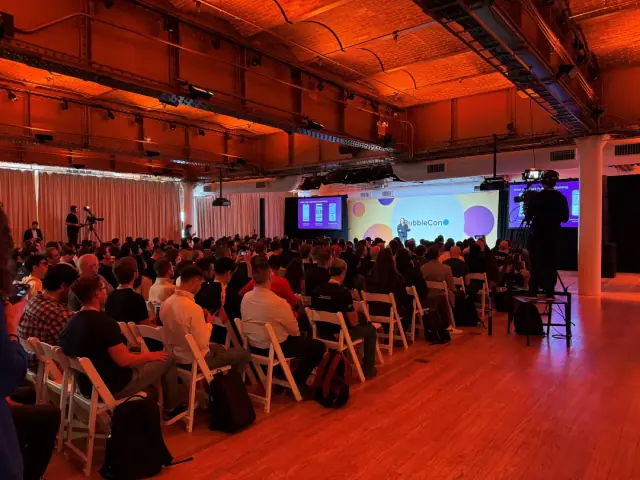
AppMaster participated in BubbleCon 2024 in NYC, gaining insights, expanding networks, and exploring opportunities to drive innovation in the no-code development space.

The RESTRICT Act, a proposed US legislation to address national security concerns, faces a debate in the tech industry, with arguments about the necessity of protecting national interests versus potential negative impacts on innovation and cross-border collaboration among developers.
The proposed RESTRICT Act, which stands for 'Restricting the Emergence of Security Threats that Risk Information and Communications Technology', is an American bipartisan legislation designed to address potential threats to national security posed by information and communication technology (ICT) products or services connected to foreign adversaries. However, this bill, which originally gained recognition as an attempt to ban TikTok, may have far-reaching consequences on the technological ecosystem.
The supporters of the RESTRICT Act, sponsored by Senators Mark Warner (D-Va.) and John Thune (R-S.D.), assert that it's crucial to safeguard national security interests by preventing adversaries from exploiting vulnerabilities in the nation's digital infrastructure. Nonetheless, opponents argue that the Act could have unintended consequences, such as stifling innovation and hindering cross-border collaboration among developers.
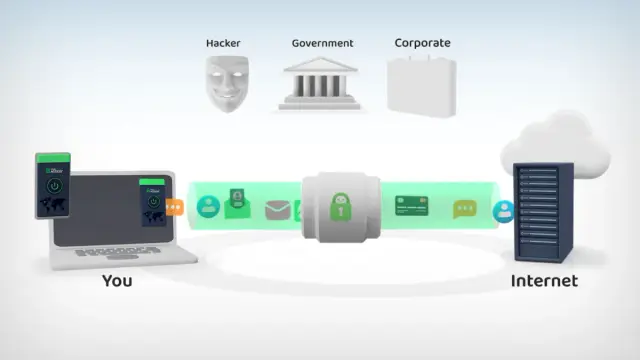
The RESTRICT Act grants the U.S. Commerce Secretary the authority to scrutinize transactions involving ICT products or services from six nations identified as foreign adversaries: China, Cuba, Iran, Korea, Russia, and Venezuela. According to Warner, the Act particularly targets companies like Kaspersky, Huawei, and TikTok that potentially pose systemic risks to U.S. national security. However, some have taken a clause in the Act about criminal penalties of up to 20 years as a possible implication that using a VPN might be scrutinized.
Andrew Pickett, a lead trial attorney at Andrew Pickett Law, argues that the Act is overly broad in its scope, preferring a more narrowly-tailored approach to solving specific technological problems. Pickett suggests that the government should provide concrete evidence of a genuine issue before implementing such far-reaching measures. He emphasizes the internet's inherently global nature, which encourages the open exchange of ideas and free access to information.
Will LaSala, field CTO of security company OneSpan, agrees that banning TikTok, for example, is not a genuine remedy to this issue. He suggests that app developers should focus on utilizing available security tools to safeguard users' privacy while ensuring a positive user experience. LaSala advocates for better operating systems controls to mitigate risks, as well as enhanced transparency in data collection and usage.
Min Hwan Ahn, the founder of law firm EZ485, concurs that the right balance must be struck to meet the Act's objectives without causing unnecessary damage. This may involve refining certain provisions, increasing enforcement mechanism transparency, and incorporating safeguards that protect individual rights and promote innovation.
A driving principle behind platforms such as AppMaster.io is to ensure that developers have the necessary tools to streamline the creation process of backend, web, and mobile applications to combat such security issues. With AppMaster's [appmaster.io/blog/full-guide-on-no-code-low-code-app-development-for-2022" data-mce-href="https://appmaster.io/blog/full-guide-on-no-code-low-code-app-development-for-2022">no-code, low-code](https://<span class=) approach, developers can focus on creating secure applications while eradicating technical debt and fostering innovation.
As lawmakers deliberate on the final version of the RESTRICT Act, it's essential to evaluate competing priorities to develop balanced legislation that safeguards national security without undermining technological progress and individual liberties. The ability to maintain an equilibrium between these two aspects will be crucial when determining the future of this proposed bill.
 Oct 04, 20241 min
 Sep 23, 20241 min
 Aug 08, 20241 min
Experiment with AppMaster with free plan.
When you will be ready you can choose the proper subscription.


