
 Oct 04, 2024
 1 min
1 minAppMaster at BubbleCon 2024: Exploring No-Code Trends
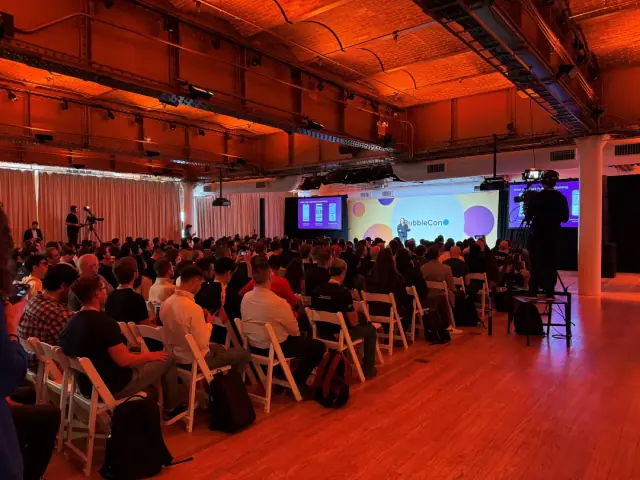
AppMaster participated in BubbleCon 2024 in NYC, gaining insights, expanding networks, and exploring opportunities to drive innovation in the no-code development space.

With over 800,000 open positions in the IT field, developers face a thriving job market. However, job satisfaction varies among developers, depending on factors such as work-life balance and usage of low-code technologies.

The digital transformation of enterprises continues to drive a flourishing IT job market, despite economic uncertainties. Over 804,000 open job positions exist in the computer occupation sector, with software developers making up the majority of these opportunities with 326,000 vacancies, as indicated in a National Foundation for American Policy (NFAP) analysis.
A recent Developer Engagement Report from OutSystems reveals that 33% of US developers, compared to 31% globally, are actively exploring new job prospects. Nevertheless, the level of confidence among US developers about securing better positions is lower at 25%, compared to 42% of global respondents who strongly agreed that ample opportunities exist to switch jobs.
Job satisfaction emerges as an area of concern, with only 49% of US developers loving their current jobs, and 37% being very satisfied with their daily work. Internationally, the picture looks slightly brighter, with 64% of global developers loving their jobs and 46% being contented with their everyday tasks.
Interestingly, US developers express a greater optimism towards work-life balance than developers worldwide. Only 38% of US developers strongly agreed that they need more work-life balance, compared to 50% of global respondents. Furthermore, while 48% of developers expect to still work with their current employer within a year, the number drops to 29% when considering a two-year window. For US developers, these rates are 38% (one year) and 18% (two years), indicating a stronger desire to switch positions.
Low-code technologies seem to impact developers' satisfaction levels. The report reveals that 59% of low-code developers are satisfied with their productivity and the tools they use on their teams, as opposed to 41% of traditional developers who feel the same way about productivity and 36% about tools. Moreover, low-code developers appear to have better work-life balance, with 71% keeping a standard 40-hour workweek against 44% of traditional developers. They also express higher satisfaction with salaries and benefits, as well as job promotions within their current companies.
As the demand for developers continues to grow, it is crucial to explore avenues to improve job satisfaction, such as through using no-code and low-code platforms that make app building more efficient and enjoyable. Platforms such as AppMaster provide powerful tools to develop backend, web, and mobile applications, improving work-life balance and overall happiness for developers. Additionally, the AppMaster platform can help streamline the debugging process, enabling developers to build and maintain high-quality applications at a faster pace. By considering such technologies and the evolving nature of developers' job expectations, companies should proactively work towards enhancing job satisfaction and employee retention in the competitive IT field.
 Oct 04, 20241 min
 Sep 23, 20241 min
 Aug 08, 20241 min
Experiment with AppMaster with free plan.
When you will be ready you can choose the proper subscription.


