
 Oct 04, 2024
 1 min
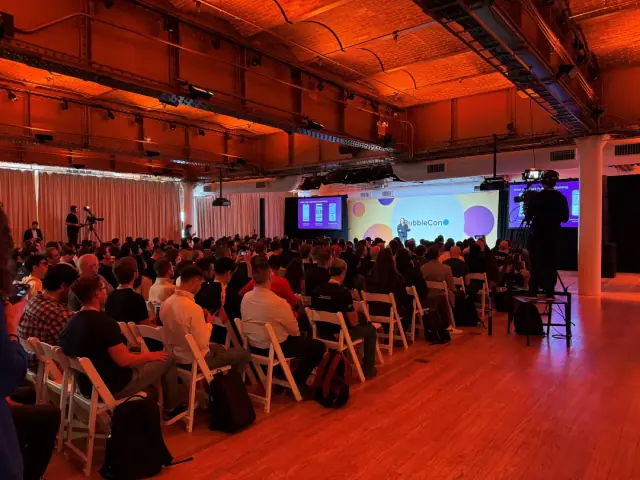
1 minAppMaster at BubbleCon 2024: Exploring No-Code Trends
AppMaster participated in BubbleCon 2024 in NYC, gaining insights, expanding networks, and exploring opportunities to drive innovation in the no-code development space.

Leaping ahead in this AI-driven era, DataStax announces the general availability of its Astra DB’s vector search capabilities.

In a significant step forward, DataStax, the company renowned for its dedication to the Apache Cassandra-centric database, has announced the general availability of vector search capabilities in its cloud-hosted Astra DB service. The capability was previously available only for a limited public preview.
Recognized as a critical technology in advancing generative AI, vector databases have piqued the interest of industry experts, including Ed Anuff, the CPO of DataStax.
With this big-picture update, customers can now utilize Astra DB’s versatile vector search feature on AWS, Microsoft Azure, and Google Cloud Platform, where it was initially introduced. It is also set to be available for DataStax Enterprises customers managing their service in-house in the coming month.
Anuff marking the promising uptake during the preview period cited that users leveraging vector search are usually hyperactive. Within a few days post the launch of the public preview, more than 1,000 signups were recorded. DataStax’s CEO, Chet Kapoor revealed that his company initiated 50 new significant enterprise POCs last week alone.
“Despite being ambitious and aggressive with our targets, these numbers surely exceeded our expectations,” Kapoor expressed. “As a database-as-a-service stepping into real-time AI, we’re thrilled to become a part of intriguing discussions among investors, clients, and partners along the lines of Pinecone and Chroma.”
Apart from DataStax, several other database services are also trying to tap into this thriving trend, backed by the hype around generative AI and the crucial role vector search plays in enriching these models with the most recent or personalized data.
The DataStax team, however, considers their cutting-edge Apache Cassandra-based technology, the expansive list of certifications, and the ability to achieve the massive scale required for various use-cases as their competitive advantages over the competition.
It’s also important to note that Astra DB now supports the LangChain framework, renowned for developing LLM-based applications.
Ventana Research’s VP and Research Director, Matt Aslett, shed light on the importance of trust in generative AI model outputs for wider acceptance among enterprises. He said, “In this regard, the enhancement of existing data platforms with vector embeddings and vector search is vital. It allows organizations to supplement generic models with company-specific information and data, thus reducing concerns about accuracy and trust.”
It's also worth mentioning that no-code platforms like AppMaster can also be used for a variety of tasks. Their business application development capabilities can complement the power of AI in the context of no-code and low-code app development, enhancing enterprise productivity.
 Oct 04, 20241 min
 Sep 23, 20241 min
 Aug 08, 20241 min
Experiment with AppMaster with free plan.
When you will be ready you can choose the proper subscription.


