
 Oct 04, 2024
 1 min
1 minAppMaster at BubbleCon 2024: Exploring No-Code Trends
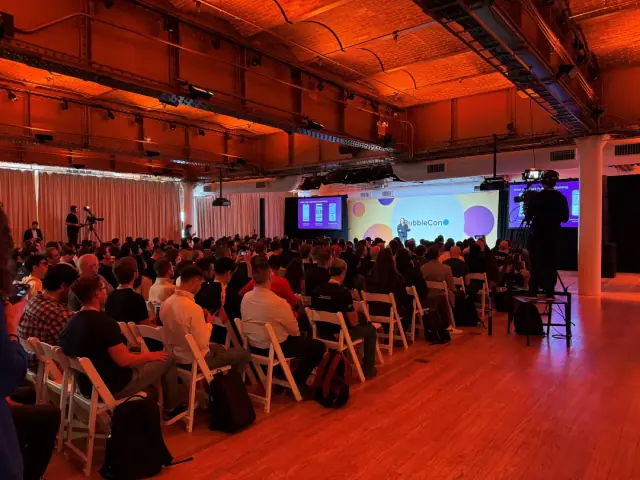
AppMaster participated in BubbleCon 2024 in NYC, gaining insights, expanding networks, and exploring opportunities to drive innovation in the no-code development space.

As AI-powered tools like ChatGPT continue to evolve, will they impact the low-code and no-code development industry? This article analyzes ChatGPT's potential in democratizing software development and how it could augment or disrupt the existing low-code/no-code landscape.

There has been a great deal of speculation about the impact of AI technology like ChatGPT on the world, ranging from utopian dreams to apocalyptic fears. In the midst of these extreme viewpoints, a legitimate concern arises - could ChatGPT disrupt the job market in software development, particularly in the low-code and no-code sectors?
New technologies typically undergo a cycle of curiosity, anxiety, resistance, and eventual acceptance. ChatGPT and other natural language AI tools undoubtedly represent groundbreaking advancements with vast potential. Among their numerous applications, there is a growing interest in harnessing ChatGPT to democratize software development. So, what does this mean for the low-code and no-code industry?
Low-code development platforms have long been heralded as a means to democratize IT, allowing non-coders to build applications on their own. This has unleashed waves of innovation as organizations have been able to develop new processes without involving IT professionals. However, the scope of change that low-code platforms can deliver has some inherent limitations.
Developers still control which aspects of an application can be configured by users. As a result, users lack direct access to the code, effectively keeping them dependent on developers for significant changes. While this limitation has protected the underlying code, ChatGPT could potentially empower users to make more substantial modifications to applications, unlocking greater efficiencies and outcomes.
The implications of ChatGPT extend beyond helping non-developers create tailored applications. Often, IT project failures stem from miscommunications between IT specialists and end users rather than issues with project management or delivery. As technical and non-technical people communicate in different terms, requirements and intended outcomes can be misinterpreted or lost in translation.
In these situations, ChatGPT can function as an interpreter bridging the gap between those who manage IT systems and the daily users. It has the potential to facilitate more effective communication that enables users to realize desired changes without requiring technical expertise.
Organizational change is a complex undertaking with many inherent challenges and uncertainties. When considering the adoption of ChatGPT, it's crucial to first define desired outcomes and build a business case before evaluating suitable solutions. Avoid being swayed by the hype surrounding the technology, and remember to always focus on the initial problem.
If ChatGPT forms a part of your organization's strategy for enabling faster, more adaptable change, then it could be a valuable tool to consider. However, the technology must be positioned in an environment that allows it to thrive and deliver optimal outcomes.
For technologies like ChatGPT to fully realize their potential, they may need to operate outside conventional IT domains. ChatGPT has the capacity to bridge the gap between technical and non-technical users throughout all organizations, speeding up organizational change and fostering more favorable results. As a tool that shares some similarities with low-code platforms, ChatGPT could eventually flourish outside the IT sector where it was initially developed.
The integration of ChatGPT into a more diversified environment raises the question of whether IT is ready to let go and release the technology into new horizons. If ChatGPT continues to evolve, it could significantly impact the low-code and no-code development industry, either augmenting or disrupting the current landscape. However, the future of these platforms, including AppMaster, depends on embracing the potential for change and addressing the challenges that AI advancements like ChatGPT bring to the industry.
 Oct 04, 20241 min
 Sep 23, 20241 min
 Aug 08, 20241 min
Experiment with AppMaster with free plan.
When you will be ready you can choose the proper subscription.


