
 Oct 04, 2024
 1 min
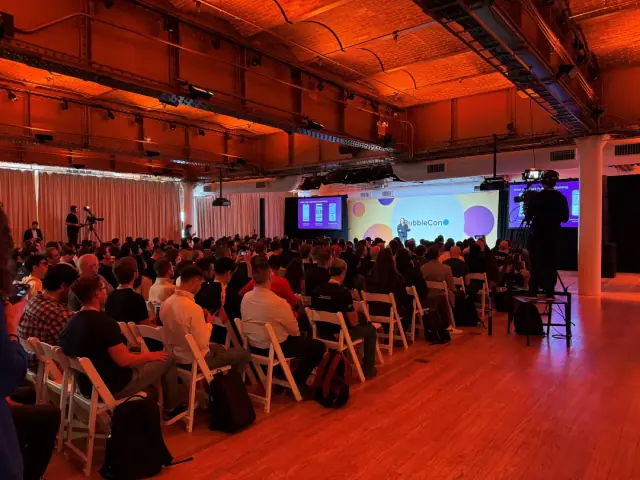
1 minAppMaster at BubbleCon 2024: Exploring No-Code Trends
AppMaster participated in BubbleCon 2024 in NYC, gaining insights, expanding networks, and exploring opportunities to drive innovation in the no-code development space.

Bolstering team efficacy in machine learning, Capital One has developed and released Federated Model Aggregation (FMA)—an open-source project that optimizes the utilization of federated learning. The platform brings unprecedented integration and end-user possibilities to the field.

In a transformative upward trend, machine learning methodology is set for an upgrade with the introduction of a relatively new approach—federated learning (FL). Spearheading a new era, financial giant Capital One boosts the ethos of decentralized model training, minimizing the need for central data storage. Detailing the firm's pioneering innovation, Kenny Bean, a machine learning software engineer at Capital One, propounds their novel open-source project—Federated Model Aggregation (FMA).
FMA is designed to empower programmers with unrestrained capabilities to operationalize their machine learning pipelines in a federated atmosphere, capitalizing on the advantages that FL lends. It's a trailblazing ensemble of Python modules. Along with providing connectors to streamline communication between these modules, FMA renders additional flexibility to link with custom components.
Further extending the capabilities of FMA, Bean elaborates on its inclusive client designed to foster client-service interactions; an aggregator to assimilate model upgrades from multiple customers, and an API service to handle the UI and API interactions between components within the system.
Discussing the origins of FMA, Bean, one of the key developers behind the project, shares that the open-source tool was created to cater to developers eager to hone models on data sourced from various locations, often inaccessible for removal from origin sites. He affirms, An opportunity to employ the FMA service and introduce federated learning to the training process surfaces whenever a model is wielded in a distributed manner.
The central vision behind FMA, according to Bean, was to design a tool that is adaptable and reusable, effortlessly integrating into pre-existent model training frameworks. Bean reflects, That's essentially how the concept of the FMA service was birthed.
Another key focus of the development team during FMA's inception was easy deployment. With just one command, models can be swiftly launched with FMA. Bean credits this ease of operation to the project's integration with Terraform—an infrastructure-as-code tool from HashiCorp.
Unveiling the journey of FMA, Bean reveals that the project was initially conceptualized for a specific use case, but the potential for broader applications was quickly recognized, leading to the decision to make it an open-source offering. Echoing Capital One's belief in the reciprocative potential of the open-source tech community, Bean adds, Capital One has always been a beneficiary of open-source technology, and we earnestly believe in contributing to the community that has immensely assisted us through our technological metamorphosis.
With the ambition to continue to improve FMA, the team is diligently working on feature discovery and enhancing their interaction with the broader community to expedite feedback reception. They are also laboring to expand the project's components to additional languages. The impact of FMA on the world of machine learning represents the power of open-source projects, much like we’ve seen with platforms like AppMaster.
 Oct 04, 20241 min
 Sep 23, 20241 min
 Aug 08, 20241 min
Experiment with AppMaster with free plan.
When you will be ready you can choose the proper subscription.


