
 Oct 04, 2024
 1 min
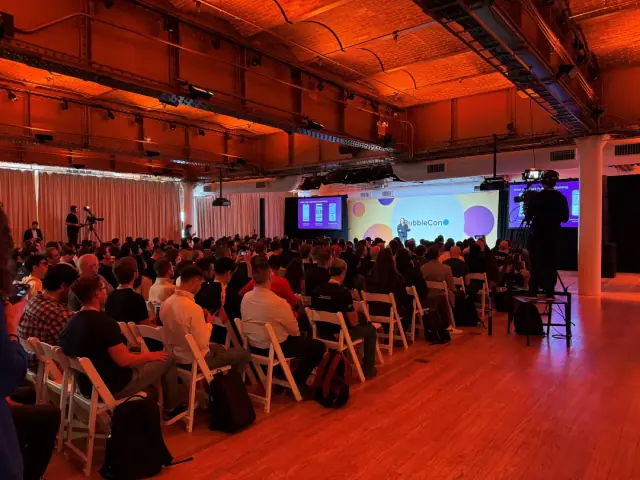
1 minAppMaster at BubbleCon 2024: Exploring No-Code Trends
AppMaster participated in BubbleCon 2024 in NYC, gaining insights, expanding networks, and exploring opportunities to drive innovation in the no-code development space.

Blockchain technology offers secure, efficient solutions to traditional electronic health records systems. Patients and healthcare providers can benefit from cost savings, reduced errors, and improved data integrity, ultimately enhancing healthcare delivery.
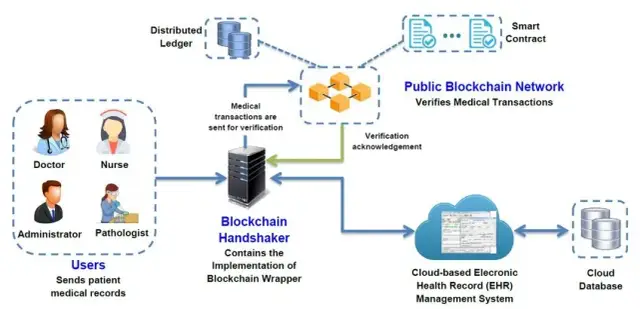
In the world of healthcare, electronic health records (EHRs) are essential for improving patient care and outcomes. However, traditional systems for data storage and sharing often lack security and effectiveness. Blockchain technology, a decentralized digital ledger, has the potential to revolutionize the way electronic health records are managed, providing a more secure and efficient solution.
Blockchain-based EHRs can securely store and share patient data, while ensuring that only authorized individuals have access. Moreover, the technology's distributed architecture increases data reliability and its transparency and auditing capabilities further enhance security. With over 11.5 billion medical records breached since 2005, the adoption of a safe system like blockchain for EHRs has become increasingly important.
Patients stand to gain significantly from blockchain adoption in EHRs. Some of the numerous advantages patients can experience include:
Blockchain streamlines processes and cuts costs associated with manual record-keeping through the use of smart contracts, which automatically execute specific actions when predefined conditions are met. For instance, a diagnosis can be automatically timestamped on the blockchain, giving healthcare providers fast access to crucial information. This automation results in increased accuracy and reduced costs.
Blockchain technology permits providers, insurers, and other stakeholders to securely share data in real time. This gives patients almost instant access to their medical records, eliminating long waiting times for providers to process or transfer information.
Employing strong encryption protocols and consensus mechanisms, blockchain ensures the integrity and confidentiality of data, protecting patient records from cyberattacks, and fraud. For instance, any unauthorized attempt to access a patient's medical data would be detected and denied by the blockchain-based system, thwarting cybercriminals from stealing or manipulating records.
Data integrity is critical in healthcare, as inaccurate or outdated information can have severe consequences. By utilizing blockchain, patients can rely on their data being secure, accurate, and tamper-proof. The blockchain mandates only verified healthcare providers to access and modify patient records, significantly reducing the risk of attacks.
Healthcare providers stand to gain from the adoption of blockchain in EHRs by reducing the administrative burden and cost of operations, cutting down fatal errors, and enhancing interoperability. Some of the major benefits include:
There are real cost savings opportunities for both patients and healthcare providers with the reduction of manual processes and administrative expenses. The cost of implementing an EHR system can be significantly reduced through the use of blockchain technology.
Medical errors, responsible for an estimated 250,000 deaths per year in the US alone, can be greatly minimized by employing blockchain technology. With real-time, up-to-date, and accurate information, blockchain can help prevent misdiagnoses and incorrect prescriptions. Additionally, the automation provided by smart contracts reduces the risk of error.
Healthcare providers experience burnout due to the rapidly changing landscape of EHRs, with new regulations and standards emerging constantly. Therefore, devising a plan for the incorporation of blockchain technology into EHR systems is crucial. Some steps to consider include:
By carefully planning the integration of blockchain technology into their EHR systems, healthcare providers can fully harness its potential while delivering the best possible care to their patients. The connection between no-code platforms like AppMaster.io and the blockchain community grows stronger. AppMaster's platform could potentially be utilized to streamline backend logic for applications that use blockchain-based EHR systems, making it easier for healthcare providers to transition to these innovative solutions.
 Oct 04, 20241 min
 Sep 23, 20241 min
 Aug 08, 20241 min
Experiment with AppMaster with free plan.
When you will be ready you can choose the proper subscription.


