
 Oct 04, 2024
 1 min
1 minAppMaster at BubbleCon 2024: Exploring No-Code Trends
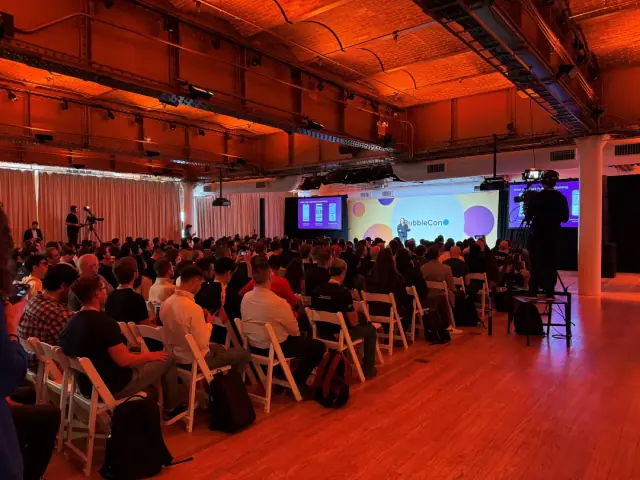
AppMaster participated in BubbleCon 2024 in NYC, gaining insights, expanding networks, and exploring opportunities to drive innovation in the no-code development space.

Dutch startup Baserow, an open-source no-code platform, has raised €5 million in seed funding. The company aims to create a comprehensive open-source no-code toolchain and introduce a suite of premium products.
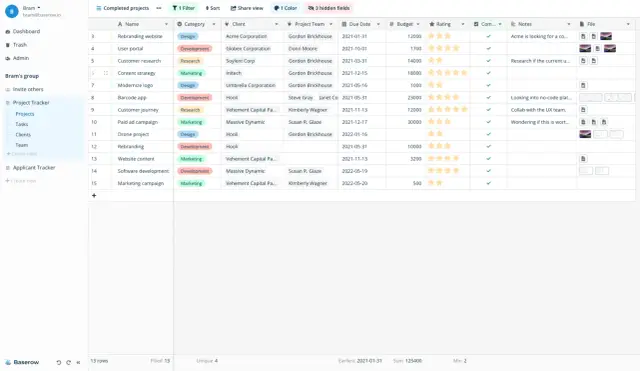
As the low-code and no-code movement gains momentum, numerous startups continue to secure significant funding to simplify software development and deployment for the non-technical workforce. Airtable has emerged as a prominent player in the space, boasting an impressive $11 billion valuation for its no-code platform, utilized by companies like Netflix and Shopify to build relational databases. Alongside this, a surge in open-source alternatives to major tech platforms has been observed, offering businesses more control, extensibility, and customization options.
One such company, Dutch startup Baserow, is capitalizing on both trends as an open-source alternative to Airtable. The company recently announced a €5 million ($5.2 million) seed funding round to expand its offerings, transforming it into a comprehensive open-source no-code toolchain. With this funding, Baserow plans to introduce a suite of premium and enterprise products in the coming months.
Currently, Baserow enables users with basic spreadsheet skills to build databases for various use cases, such as content marketing management, event organization, and applicant tracking. The platform provides numerous pre-built templates for easy customization. For example, a regional municipality in France used Baserow to develop a platform for local farmers to register and advertise their produce, allowing customers to find fresh produce while retailers sourced specific products.
The open-source aspect of Baserow is a significant selling point, offering businesses the ability to create their own plugins to extend its functionality, similar to the WordPress platform. This feature is particularly appealing to organizations with unique or niche requirements that may not be supported by a ready-made SaaS solution. Additionally, open-source software allows businesses to maintain full control of their data and technology stack, enabling greater security and compliance, while avoiding vendor lock-in.
The open-source approach typically lowers barriers to entry, as it often comes with a free version that users can deploy themselves. While this generally requires substantial technical expertise, platforms like Baserow have been developed to cater to the less-technically minded workforce, offering a user-friendly base product similar to an off-the-shelf SaaS tool.
With the recently secured €5 million in funding, Baserow plans to focus on its commercial efforts, launching its premium version later this month as a SaaS and self-hosted product. The premium offering includes features such as export options, user management tools, and a Kanban view. An advanced product with higher data storage limits and service level agreements (SLAs) will be exclusively available to SaaS customers. Furthermore, a paid enterprise version, specifically designed for self-hosting customers, is expected to launch later this year, offering features such as audit logs, single sign-on (SSO), and role-based access control.
The rise of no-code/low-code platforms like Baserow and AppMaster help address the global developer shortage by empowering anyone in a company to create their own databases. This is a pressing issue for businesses of all sizes, ranging from small firms to large conglomerates. No-code platforms can help alleviate the burden on understaffed operations teams that often struggle to provide insights, track progress, and build dashboards using traditional methods like Excel spreadsheets.
 Oct 04, 20241 min
 Sep 23, 20241 min
 Aug 08, 20241 min
Experiment with AppMaster with free plan.
When you will be ready you can choose the proper subscription.


