
 Oct 04, 2024
 1 min
1 minAppMaster at BubbleCon 2024: Exploring No-Code Trends
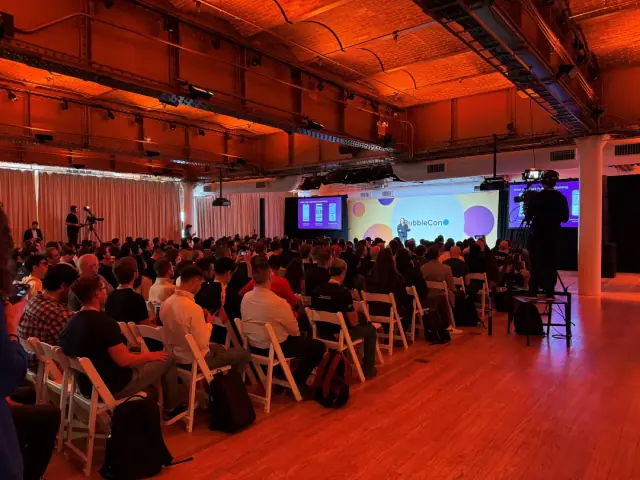
AppMaster participated in BubbleCon 2024 in NYC, gaining insights, expanding networks, and exploring opportunities to drive innovation in the no-code development space.

Microsoft has launched Azure OpenAI Service, enabling access to powerful AI models like Codex and DALL-E 2 for businesses. The company also plans to integrate ChatGPT into the service soon, extending its capabilities further.
Microsoft has officially launched the Azure OpenAI Service, allowing businesses to access some of the world's most powerful AI models, such as Codex and DALL-E 2. Furthermore, the company announced plans to integrate ChatGPT into the service shortly.
The Azure OpenAI Service was first introduced in November 2021, though it was not generally available until now. Throughout this time, Microsoft and OpenAI have showcased the capabilities of these cutting-edge AI models in various applications.
In June 2021, GitHub, a Microsoft subsidiary, debuted Copilot, an AI-driven programmer that assists developers in creating and enhancing code. Copilot has since received continuous updates, with the most recent addition being Code Brushes—a project demonstrated this week by GitHub Next which enables machine learning-based code modification, akin to painting with Photoshop.
Additionally, in October 2022, Microsoft shared that the revolutionary text-to-image generative AI, DALL-E 2, would be integrated into the Designer app and Bing Image Creator. This integration, alongside the integration of other models such as Midjourney and Stable Diffusion, sparked controversy and protests from the artistic community.
Notably, Microsoft is rumored to be planning to utilize ChatGPT to enhance Bing's search capabilities and challenge Google's supremacy. Despite raising several concerns relating to copyright and broader societal implications, Microsoft and OpenAI have demonstrated the potency of these AI models.
Jason McCartney, Vice President of Engineering at Al Jazeera, opined on the potential of Azure OpenAI Service to transform content production. He mentioned its potential in streamlining summarization, translation, as well as content extraction and its potential to facilitate better reporting by providing diverse opinions. The general availability of the service is eagerly anticipated as businesses look to reap operational benefits.
Vaibhav Nivargi, CTO and Founder at Moveworks, remarked on the significance of Azure OpenAI Service as an essential element of their machine learning architecture. He cited the service's capability to identify gaps in customers’ internal knowledge bases and to automatically generate new knowledge articles based on those gaps, emphasizing the endless possibilities for modern enterprises.
Platforms like AppMaster.io also offer no-code solutions for creating web, mobile, and backend applications. Such platforms accelerate application development and reduce costs for a wide range of customers, from small businesses to large enterprises.
 Oct 04, 20241 min
 Sep 23, 20241 min
 Aug 08, 20241 min
Experiment with AppMaster with free plan.
When you will be ready you can choose the proper subscription.


