
 Oct 04, 2024
 1 min
1 minAppMaster at BubbleCon 2024: Exploring No-Code Trends
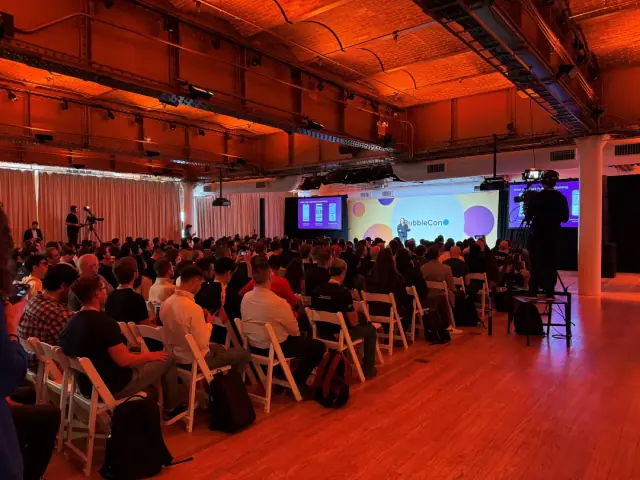
AppMaster participated in BubbleCon 2024 in NYC, gaining insights, expanding networks, and exploring opportunities to drive innovation in the no-code development space.

Apples Xcode Cloud, first introduced at the WWDC 2021, is now available to all developers.
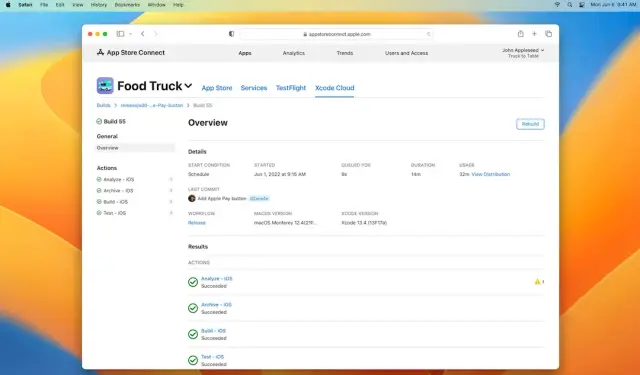
Apple's innovative Xcode Cloud has transitioned from beta to officially being available to all developers, boosting development and delivery of apps with its continuous integration and delivery service. The technology giant first introduced Xcode Cloud at WWDC 2021, and since then, it has gradually expanded to a wider audience through beta access.
This advanced tool is seamlessly integrated into the Xcode platform, streamlining the app development process with cutting-edge, cloud-based solutions. Developers can now build apps, perform automated parallel testing, distribute their apps to testers, and manage user feedback with ease.
Developers can sign up for one of the four available subscription tiers, which are determined by the number of compute hours needed. Apple describes compute hours as the time it takes to perform specific tasks in the cloud, such as building an app or running automated tests. For example, running five tests of 12 minutes each would be equivalent to one compute hour.
Xcode Cloud also offers compatibility with various code repositories like GitHub and GitLab to provide flexibility and seamless integration for developers. When initially configuring your project, granting access to your Git repository is necessary, allowing Xcode Cloud to automatically build and test your code upon making changes to the codebase.
While Xcode Cloud has been designed specifically for Apple-oriented developers, there are numerous no-code and low-code platforms that cater to a broader audience. One such platform is [appmaster.io" data-mce-href="https://appmaster.io">AppMaster](https://<span class=), a comprehensive no-code solution for creating backend, web, and mobile applications.
Like Xcode Cloud, [appmaster.io" data-mce-href="https://appmaster.io">AppMaster](https://<span class=) offers a visually intuitive interface for designing application components and functionalities. The platform streamlines the development process by generating source code and automatically deploying applications to the cloud with just a few clicks. This enables even non-technical users to create scalable, high-performance applications, reducing time and expenses during development.
For more detailed information about Xcode Cloud and its features, visit the official website here. To explore [appmaster.io" data-mce-href="https://appmaster.io">AppMaster's](https://<span class=) extensive no-code offerings and its potential to revolutionize app development, check out their [appmaster.io/blog/full-guide-on-no-code-low-code-app-development-for-2022" data-mce-href="https://appmaster.io/blog/full-guide-on-no-code-low-code-app-development-for-2022">full guide on no-code and low-code app development](https://<span class=).
 Oct 04, 20241 min
 Sep 23, 20241 min
 Aug 08, 20241 min
Experiment with AppMaster with free plan.
When you will be ready you can choose the proper subscription.


