
 Oct 04, 2024
 1 min
1 minAppMaster at BubbleCon 2024: Exploring No-Code Trends
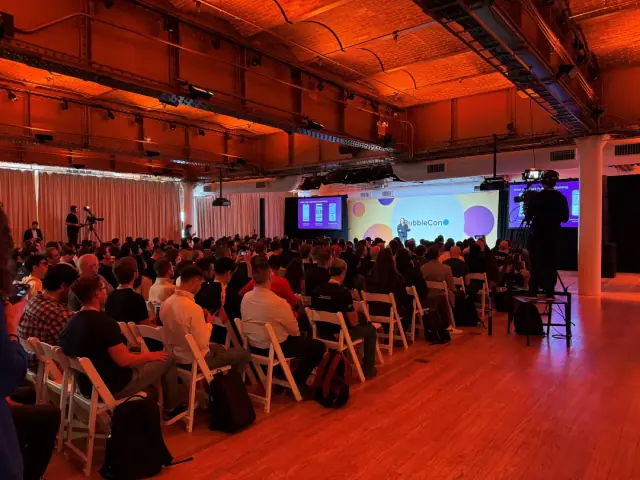
AppMaster participated in BubbleCon 2024 in NYC, gaining insights, expanding networks, and exploring opportunities to drive innovation in the no-code development space.

APITable targets the West to compete with Airtable in the low-code market. Offering an open-source solution APITable aims for a significant market share.
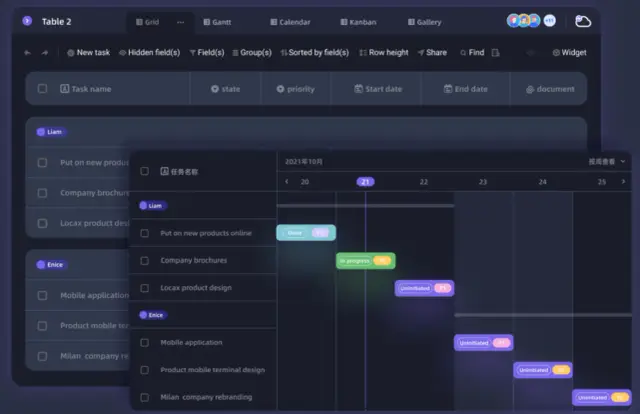
In the wake of Airtable's staggering $11 billion valuation in late 2021, numerous ambitious entrepreneurs have entered the low-code database space, hoping to carve out a share of the market dominated by the American giant. With SaaS now a well-established business model in the U.S., emerging markets, and even China's rapidly growing tech industry, users increasingly expect software to be free. To boost their paying customer base, Asian SaaS startups, backed by experienced and affordable developers, are setting their sights on the West.
One such startup is Hong Kong-based APITable, which is currently in the process of establishing a Canadian base. The company is unapologetically aiming to rival Airtable, even featuring a step-by-step guide on its blog detailing how to migrate from Airtable to its own platform. APITable is vying with several emerging startups, such as Amsterdam's Baserow and San Francisco-based NocoDB, to offer an open-source, visually appealing solution for crafting smart, modern databases.
APITable's name highlights its focus on system interoperability. According to the company's co-founder and COO Gary Li, future users will be able to connect the low-code tool with platforms like Zapier, Slack, Google Workspace, and the highly popular ChatGPT using the APITable API. For those seeking a ready-to-use product requiring minimal technical skills and third-party hosting, the software also offers a paid, premium version.
So far, APITable has been "starred" over 6,500 times on GitHub, an indication of its popularity among developers. While Li has not disclosed the company's revenue size, he revealed that the number of organization users, including freemium and paid customers, grew from 6,000 to over 20,000 across 30 countries in 2022.
APITable's founding team initially tested the waters in China with the launch of its Chinese version, Vika, in February 2021. At that time, venture capitalists were eagerly investing in local alternatives to Western cloud-based solutions like Zoom, Stripe, Canva, Figma, and Airtable. APITable subsequently secured funding from prominent VCs, including IDG Capital, GL Ventures (Hillhouse's early-stage arm), 5Y Capital (regarded by some as a trendsetter in China's enterprise tech investment), and Eminence Ventures. As of early 2021, the startup had raised a total of $10 million at a valuation of approximately $75 million.
In China, Vika faced stiff competition from companies of various sizes, from giants like ByteDance and Tencent to smaller players like Hipacloud and Treelab, all striving to develop their own Airtable alternatives. Moving forward, the parent company plans to focus primarily on expanding its presence in the West through APITable. Li believes that being open-source is an effective marketing strategy, but acknowledges that SaaS sales remain crucial for generating revenue.
APITable's CEO Kelly Chan has a proven track record when it comes to creating tools for non-technical users. Previously the CTO at HeyTea, a venture-backed company that revolutionized the bubble tea business in China, Chan led the development of an app to streamline ordering, reduce wait times, and increase recurring revenue through a membership program. The success of HeyTea's app demonstrates the potential of low-code solutions like APITable to empower non-developers and drive business growth.
As the low-code and no-code market gains traction, platforms like AppMaster are also making waves by enabling users to create backend, web, and mobile applications without writing code. AppMaster's powerful platform allows customers to visually create data models, business logic, REST API, and WSS endpoints, making application development faster and more cost-effective. With the ability to generate applications from scratch, AppMaster eliminates technical debt and provides a scalable solution for businesses of all sizes.
As Asian SaaS startups like APITable continue to target Western markets, the competition within the low-code database space is set to intensify. The increasing demand for easy-to-use, visually appealing solutions for creating databases and applications is opening up new opportunities for growth and innovation in the tech industry.
 Oct 04, 20241 min
 Sep 23, 20241 min
 Aug 08, 20241 min
Experiment with AppMaster with free plan.
When you will be ready you can choose the proper subscription.


