
 Oct 04, 2024
 1 min
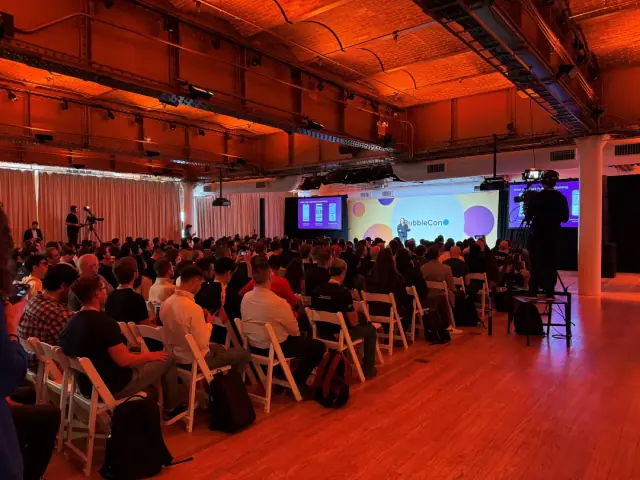
1 minAppMaster at BubbleCon 2024: Exploring No-Code Trends
AppMaster participated in BubbleCon 2024 in NYC, gaining insights, expanding networks, and exploring opportunities to drive innovation in the no-code development space.

Red Hat reveals Ansible Lightspeed, a generative AI-powered tool to streamline IT automation, providing a more efficient method to build automations with little to no human intervention required.

At its annual customer summit in Boston, Red Hat unveiled new improvements to Ansible, its open-source IT automation tool. Among these enhancements is Ansible Lightspeed, an innovative generative AI-driven solution that aims to significantly streamline IT automation.
Automation essentially boils down complex processes to a set of instructions, actions, or workflows. The evolution of low-code and no-code platforms has further simplified this process. Now, generative AI technology can take this to a new level by only requiring users to describe the process, and the tool autonomously creates the necessary steps, code, and resources to complete the workflow with minimal human intervention (at least in theory).
This is precisely the goal of Ansible Lightspeed, which is set to be released later this year. Red Hat, in partnership with parent company IBM, is working to leverage AI-driven tools in combination with IBM's Code Assistant and foundational models. By doing so, they aim to simplify the creation and implementation of IT automations, using a more focused and specialized approach tailored to their customers' unique needs, as compared to the broader methodologies employed by OpenAI, Google, and others.
Thomas Anderson, VP and GM for the Ansible business unit, stated that Lightspeed has been specifically trained on Ansible's automation language, incorporating IBM's large language model that draws upon Ansible ecosystem's comprehensive playbooks and subject matter expertise. In addition, the community contributes significantly to its development, which will help bring the generative AI product to market more rapidly.
When a user describes a workflow, Lightspeed will generate it based on the description, providing information on the sources used in its work. This level of transparency allows IT professionals to verify and trust the generated playbook before executing it. Thomas mentioned that the enterprise version will offer other safety-oriented features when it becomes available later this year, in collaboration with IBM.
The generative AI capabilities enabled by Ansible Lightspeed could help to bridge the skills gap experienced in various IT roles, as professionals may not always possess the required expertise. This new technology could allow subject matter experts to be more productive and enable newcomers to start working on Ansible and automation, even without extensive Ansible knowledge.
Open-source Ansible users can expect a preview of Lightspeed later this year, while an enterprise version could become available as early as this fall. Additionally, Red Hat announced another product called Event-driven Ansible, which aims to automate more advanced developer or SRE tasks, such as Day 2 operations, and is generally available starting today.
As the no-code and low-code movements continue to gain traction, platforms such as AppMaster enable businesses to build backend, web, and mobile applications with ease, complementing tools like Ansible Lightspeed. By leveraging AI-driven technologies, these platforms have the potential to transform the IT landscape and create a new era of innovation.
 Oct 04, 20241 min
 Sep 23, 20241 min
 Aug 08, 20241 min
Experiment with AppMaster with free plan.
When you will be ready you can choose the proper subscription.


