
 Oct 04, 2024
 1 min
1 minAppMaster at BubbleCon 2024: Exploring No-Code Trends
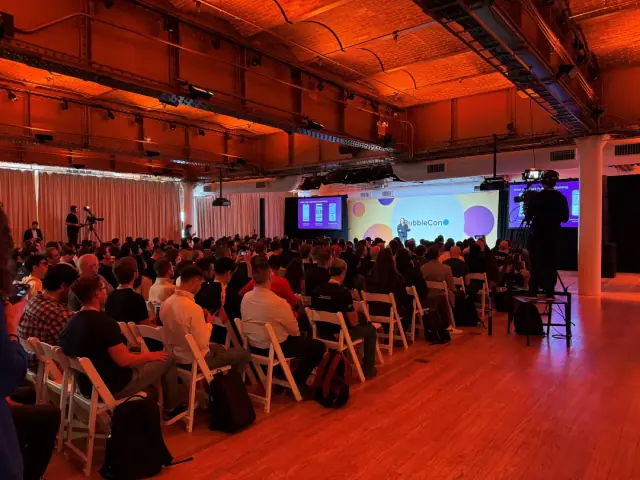
AppMaster participated in BubbleCon 2024 in NYC, gaining insights, expanding networks, and exploring opportunities to drive innovation in the no-code development space.

Airtable reveals plans to lay off 20% of its workforce amidst a shift in focus towards large enterprises. This decision comes as part of a broader trend in the tech industry, which has seen multiple layoffs from major companies such as Twitter, Meta, Amazon, HP, Cisco, Stripe, and Microsoft.

Airtable, a prominent low-code platform, has disclosed its plans to reduce its workforce by 20%, resulting in 254 employees losing their jobs in departments such as business development and engineering.
In an internal email acquired by layoff tracker Layoffs.fyi—which itself runs on Airtable—the company's CEO and founder, Howie Liu, articulated the rationale behind this decision. The company aims to transform from a 'bottoms-up adopted product' into one that caters to large enterprises by offering connected applications.
Liu admitted in the email that the organization had aggressively expanded and pursued multiple objectives simultaneously, believing they could be achieved in parallel. However, after evaluating their efforts under current market conditions, the company identified the teams best suited to tap into the enterprise market, thereby requiring greater focus, alignment, and responsibility in their execution.
As part of this restructuring process, Airtable's Chief Revenue Officer, Chief People Officer, and Chief Product Officer will also be departing the company. Reports indicate that those affected by the layoffs will receive a minimum of 16 weeks of severance pay, accelerated equity vesting, and assistance from an immigration counsel (for employees on a visa).
Airtable had previously closed a $735 million funding round in December with an $11-billion valuation, amounting to a total investment of $1.4 billion in the company. The platform enables businesses to integrate databases and cloud-based spreadsheets without any coding requirements.
The announcement from Airtable comes amidst a spate of layoffs in the technology industry. Elon Musk, as Twitter's new CEO, laid off around half of the staff after assuming ownership in November. In addition, Meta announced plans to cut 11,000 jobs, while Amazon quietly intends to lay off 20,000 employees. Since September 2022, tech giants such as HP, Cisco, Stripe, and Microsoft have all declared workforce reductions of at least 1,000 employees each.
Despite the recent layoffs in the tech industry, low-code and no-code platforms like Airtable and AppMaster continue to empower businesses and individuals in creating robust applications without extensive coding knowledge. As the market evolves, so do the demands of the no-code ecosystem. AppMaster, for instance, offers a powerful platform for backend, web, and mobile app development that is more cost-effective and up to ten times faster compared to traditional development methods.
 Oct 04, 20241 min
 Sep 23, 20241 min
 Aug 08, 20241 min
Experiment with AppMaster with free plan.
When you will be ready you can choose the proper subscription.


