
 Oct 04, 2024
 1 min
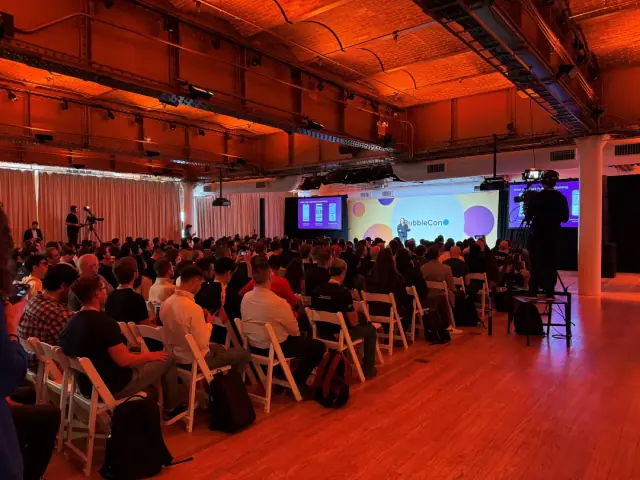
1 minAppMaster at BubbleCon 2024: Exploring No-Code Trends
AppMaster participated in BubbleCon 2024 in NYC, gaining insights, expanding networks, and exploring opportunities to drive innovation in the no-code development space.

Discover how Artificial Intelligence (AI) can revolutionize the way enterprises test digital experiences by automating the testing process, optimizing efficiency, improving accuracy, and reducing time and costs associated with testing.
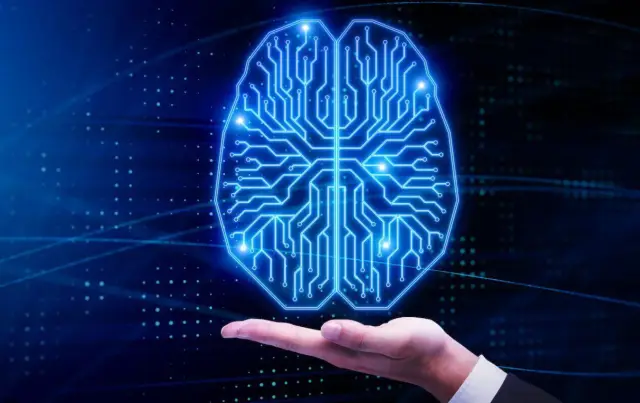
As the digital landscape swiftly evolves, companies must keep pace to deliver top-notch digital experiences that cater to their customers' needs and expectations. A vital component of digital experiences is testing, which ensures that digital products and services adhere to usability, functionality, and quality standards. Artificial intelligence (AI) offers the potential to dramatically change the way organizations test digital experiences by automating and streamlining the testing process, enhancing accuracy, and reducing costs and time spent on testing. Let's explore the various ways AI can revolutionize testing for enterprises.
AI has significantly altered the way businesses test their digital offerings. Machine learning algorithms and predictive analytics in AI-driven testing solutions enable the simulation of user behavior, the generation of test cases, and automatic test execution. This automation helps organizations save time and money, reduce errors, and increase the accuracy of their testing efforts.
AI-powered testing systems can automatically create test cases based on predetermined rules or by analyzing user behavior, ensuring that the digital experience satisfies users' needs and expectations. In addition, AI-driven testing solutions excel in test execution by modeling user behavior, interacting with the digital product, and reporting results. AI can detect issues, track defects, and generate reports automatically.
AI can also automate regression testing, which involves testing a digital product after modifications are made to confirm that no new faults have been introduced. AI can identify sections of a digital product that require regression testing, create test cases, and execute tests automatically.
Another area where AI shines is performance testing. AI can automatically simulate user behavior, generate load, and monitor system performance, identifying performance problems and bottlenecks. Moreover, AI enables continuous testing, ensuring the digital experience meets the desired quality, functionality, and user experience standards.
Test prioritization is one of the most significant ways AI can enhance the testing process. AI can analyze testing data to prioritize tests based on their significance and likelihood of detecting defects. This enables organizations to focus their testing efforts on crucial areas, conserving time and resources.
Test optimization is another way AI can improve the testing process by analyzing testing data to identify redundant tests that can be removed to increase efficiency. Furthermore, AI can automate the creation and configuration of test environments, assuring that the suitable environment is accessible when needed. AI can also generate synthetic test data, automate test data creation and management, and ensure data privacy and security.
Finally, AI can examine testing results to discover patterns and trends, providing insights such as areas needing testing improvement, recommending new tests to be added to the testing suite, and suggesting changes to the testing process.
AI can enhance test accuracy in several ways. One method is through its capability to quickly and accurately analyze vast amounts of data. AI can detect patterns, trends, and potential defects in testing data that humans might overlook, guaranteeing that all potential issues are identified and reducing the risk of launching a product with undetected flaws.
Additionally, AI can increase testing accuracy by automating the testing process. This ensures that all tests are carried out consistently and precisely, minimizing the chance of unexpected defects. By automating testing, AI reduces the risk of human error and decreases the time and effort required.
AI can significantly reduce the time and cost of testing in various ways. By automating repetitive and time-consuming tasks such as test case creation, execution, and defect identification, AI allows testers to concentrate on more complex tasks. This enhances the testing process's efficiency, ultimately cutting down the time and expenses associated with testing.
Enterprises can leverage AI to test digital experiences more effectively, accurately, and cost-efficiently. As a result, businesses can deliver high-quality digital experiences that meet customers' expectations and requirements, while gaining a competitive edge in the rapidly growing digital marketplace by adopting AI-powered testing tools. On top of that, integrating AI into a powerful no-code tool like AppMaster platform can speed up the process of creating backend, web, and mobile applications, enabling businesses to develop and test their software more quickly and cost-effectively, ensuring seamless and robust digital experiences for their customers. With over 60,000 users, AppMaster has already been recognized by G2 as a High Performer and Momentum Leader in various categories, such as No-Code Development Platforms, API Management, and App Builders, showcasing its reliability and effectiveness in the tech industry.
 Oct 04, 20241 min
 Sep 23, 20241 min
 Aug 08, 20241 min
Experiment with AppMaster with free plan.
When you will be ready you can choose the proper subscription.


