
 Oct 04, 2024
 1 min
1 minAppMaster at BubbleCon 2024: Exploring No-Code Trends
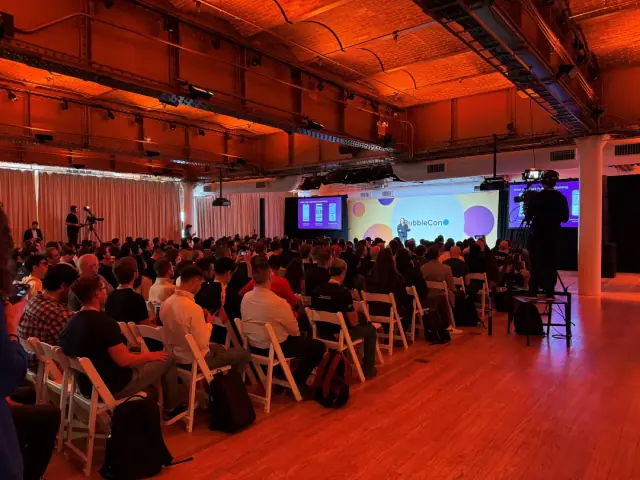
AppMaster participated in BubbleCon 2024 in NYC, gaining insights, expanding networks, and exploring opportunities to drive innovation in the no-code development space.

The rapidly improving AI-based tools like ChatGPT are becoming popular for generating college essays, creating a new challenge for higher education institutions. While some students view it as a useful tool, others consider it cheating. It's high time universities and educators figure out AI's impact on student learning and develop new tools to recognize AI-generated content.
Higher education institutions face a growing problem as AI-driven tools, such as ChatGPT, are becoming increasingly popular among students for writing college essays. The ease of use and consistent improvement in technology raise questions about the consequences of using AI in this manner and whether or not it can be considered cheating. Educational institutions must act quickly to assess the implications of AI-generated essays and determine how to address this challenge in order to maintain academic integrity.
A recent BBC report highlighted the case of a university student in the UK who used ChatGPT to write an essay and received a better grade than he did on one he wrote himself. This student openly admitted plans to use ChatGPT for future assignments. Despite concerns about its potential misuse, educational institutions like the one in question often assume that such AI tools are primarily being used for research purposes.
Students who are overwhelmed by academic pressures and competing responsibilities may find the support they need in AI tools like ChatGPT, Google Bard, and Bing AI. These generative AI systems can produce chunks of usable text for inspiration or actual content, even though they may not always provide accurate or reliable information. However, these tools don't only appeal to students; individuals around the world are turning to AI for help in completing various tasks and projects.
As AI technologies like ChatGPT continue to advance, it becomes increasingly challenging for educational institutions to detect plagiarized content. Recognizing the signs of AI-generated essays could be the key for universities in maintaining academic integrity, and they may need to develop new tools and techniques to identify such content. The unprecedented scope and impact of AI in academic writing prompt an urgent need for action.
One possible advantage of using AI tools like ChatGPT for essay generation is that they can expose students to new perspectives and methods in collaboration, editing, and fact-checking. Determining whether these learning experiences have inherent value is a question education institutions need to address. In response to the rising concerns, some institutions have already launched task forces to facilitate campus-wide conversations and develop guidelines for handling the potential risks associated with AI-generated essays.
An appmaster.io/blog/full-guide-on-no-code-low-code-app-development-for-2022>evolution in technology can bring many benefits, but it also poses challenges. The integration of AI-generated content in higher education is a recent phenomenon, which demands prompt attention from educators and administrators. As appmaster.io/blog/no-code-and-scalability>AI continues to influence various sectors, effective communication and collaboration will be essential in addressing the implications and updating academic protocols to ensure that AI technologies are utilized responsibly and ethically.
AppMaster, a appmaster.io/how-to-create-an-app>leading no-code app development platform, is an example of evolving technology that enables faster and more efficient software development processes. In a similar vein, higher education institutions must navigate the challenges presented by AI-generated essays and adapt accordingly to uphold academic standards and foster a responsible approach to AI use in educational pursuits.
 Oct 04, 20241 min
 Sep 23, 20241 min
 Aug 08, 20241 min
Experiment with AppMaster with free plan.
When you will be ready you can choose the proper subscription.


