
 Oct 04, 2024
 1 min
1 minAppMaster at BubbleCon 2024: Exploring No-Code Trends
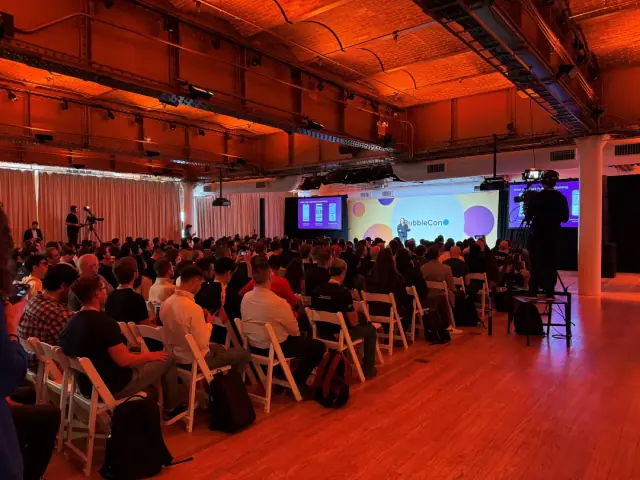
AppMaster participated in BubbleCon 2024 in NYC, gaining insights, expanding networks, and exploring opportunities to drive innovation in the no-code development space.

Artificial intelligence (AI) has been integrated into diverse industries, and its adoption in the technology sector is both highly anticipated and controversial.

As artificial intelligence (AI) technology permeates the workplace, it evokes a blend of enthusiasm and apprehension among employees. Recent advancements in AI platforms, such as ChatGPT by OpenAI and Microsoft's GitHub Copilot, have raised concerns about creativity and authenticity while promising support in software development and problem-solving.
Atif Zaim, national managing partner, advisory, for KPMG, believes that technology can be a positive disruptor within the workforce. AI offers a chance to counteract the downward trend in US labor productivity that has persisted over the years. By clearly outlining the benefits of AI in the workplace, leaders can address employee fears and help them comprehend how AI can aid in everyday tasks and render better outcomes for both the employees and customers.
Diego Lo Giudice, vice president and analyst at Forrester, describes the implementation of AI in the workplace as being in its early stages. With proper utilization, AI can boost the efficiency of professionals across the development life cycle. Using platforms like ChatGPT, developers can rely on AI for support in knowledge management, among other tasks. For instance, ChatGPT is capable of translating code from one language to another, explaining the code's functions, and even writing documentation for the code.
Mika Aalto, co-founder and CEO at Hoxhunt, stresses the value of AI-powered tools like GitHub Copilot in assisting developers with secure coding practices, helping automate laborious tasks, and supporting data scientists in achieving more significant goals. Depending on an organization's objectives and challenges, AI can be employed for varying purposes, whether it's for innovation and growth or for security.
Muddu Sudhakar, CEO and co-founder of Aisera, highlights the potential for AI applications like Copilot to streamline various tasks for developers, including account creation, code check-ins, debugging, and configuration—freeing them to focus on creating great apps. Similarly, Angel Borroy, developer evangelist at Hyland, notes that AI technologies can enhance productivity and happiness among employees by automating workflows.
While AI platforms certainly hold potential, it is pivotal for organizations to prioritize responsible AI implementation. Sreekar Krishna, KPMG's US national leader for artificial intelligence, points out the many uses for generative AI in software development, such as producing synthetic test cases, translating code, and interpreting data. However, Krishna also urges organizations to establish a responsibility charter and maintain ongoing discussions led by compliance, risk, and data analytics leaders to ensure ethical use of AI.
Organizational leaders and IT workers must collaborate in determining suitable AI-powered tools and adoption strategies. By integrating AI responsibly, the tech industry can ensure the technology complements human efforts, resulting in higher efficiency, better decision-making, and improved overall output.
Integration of powerful tools like AI platforms is rapid in the technology space. AppMaster, a leading no-code platform, is committed to staying ahead of industry trends, offering a robust solution to build web, backend, and mobile applications with ease. AppMaster lets users visually create solutions utilizing databases and business logic and efficiently generate source code for applications, optimizing the software development process while embracing the potential of AI technology where appropriate.
 Oct 04, 20241 min
 Sep 23, 20241 min
 Aug 08, 20241 min
Experiment with AppMaster with free plan.
When you will be ready you can choose the proper subscription.


