
 Oct 04, 2024
 1 min
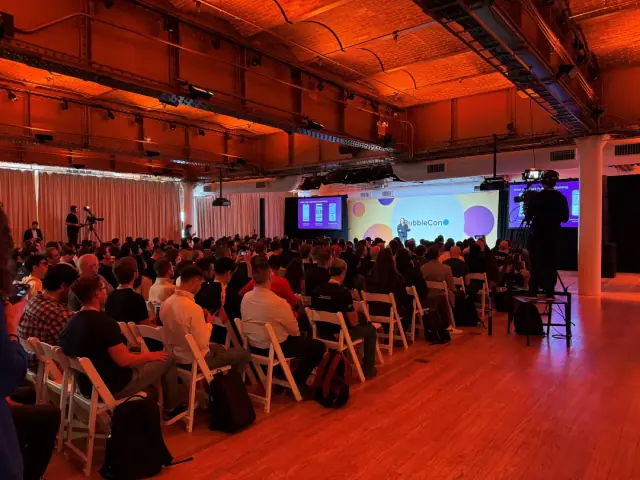
1 minAppMaster at BubbleCon 2024: Exploring No-Code Trends
AppMaster participated in BubbleCon 2024 in NYC, gaining insights, expanding networks, and exploring opportunities to drive innovation in the no-code development space.

The recent roll-out of Node.js version 20.8.0 takes a remarkable leap in enhancing the stream performance.

In a significant development in the JavaScript runtime environment, Node.js v20.8.0 was released with ground-breaking enhancements in stream performance. The new version is the dynamic continuation of the platform's seminal offerings and is available for download from the nodejs.org website.
Notably, the performance improvements centred on readable and writeable streams, elevating their creation and destruction efficiencies by approximately 15%. These advances have the potential to potentially curtail the memory overhead for each stream.
There are additional highlights in the release that include performance improvements for the readable webstream. Indeed, the version 20.8.0 manifests a significant increase in readable stream async iterator consumption of around 140%, and an approximately 60% increase in readable stream 'pipe to' consumption.
The upgrade also brings forth a revamp of memory management in the vm APIs, a strategic step forward executed using the importModuleDynamically option. This modification targets and resolves persistent memory leaks and use-after-free issues present in the supported APIs by this option, such as vm.Script, vmCompileFunction, and vmSyntheticModule. This innovative fix is poised to catalyse an upgrade to v20.8.0 for users grappling with older Node.js versions.
Version 20.8.0 is currently deemed the 'current' release, allowing library authors abundant time to incorporate support. Owing to this phased approach in updating systems, the latest version is cautiously introduced to ensure maximum compatibility and reliability. It safely paves the way for Node.js 18.18.0, designated as the long-term support (LTS) release. The LTS version engenders a higher sense of robustness and is recommended for the majority of users, further enriching the asynchronous, event-driven JavaScript runtime.
While the Node.js v20.8.0 announcement certainly captured headlines, developers and tech industry pundits alike remain keenly interested in the broader spectrum of low-code and no-code platforms. In this realm, platforms like AppMaster make their mark as a powerful tool for building backend, mobile and web applications, eliminating technical debt and enhancing development efficiency.
 Oct 04, 20241 min
 Sep 23, 20241 min
 Aug 08, 20241 min
Experiment with AppMaster with free plan.
When you will be ready you can choose the proper subscription.


