


 Jul 14, 2026
 8 min
8 minEquipment reservation app: prevent conflicts and track returns
Plan an equipment reservation app that prevents double bookings, records returns and damage, and places faulty items on maintenance hold.

Explore strategies for startups to minimize technical debt & ensure rapid growth. Discover how no-code platforms can streamline development while avoiding pitfalls.

Technical debt is a metaphor describing the long-term consequences of shortcuts taken in software development. This debt accumulates when developers choose to implement quicker, less powerful solutions instead of following best practices that may demand more time and resources. Such decisions often lead to code complexity, decreased maintainability, and hinder future development.
For startups, technical debt can be particularly dangerous. Startups need to move fast to stay ahead of the competition, and accumulating technical debt can slow their progress, negatively impact product quality, and hinder their ability to scale. The implications of technical debt for startups are numerous:
In the competitive world of startups, speed and adaptability are vital to success. Moving fast allows startups to:

While moving fast is crucial for startups, it's essential not to compromise on technical debt. Balancing development speed with code quality and maintainability is necessary to ensure sustainable growth and scalability for startups.
To minimize technical debt while maintaining development speed, startups can adopt several strategies:
By adopting these strategies, startups can better manage technical debt and balance rapid development speed and code quality, ensuring long-term success.
One of the most effective ways for startups to minimize technical debt and accelerate the software development process is by leveraging no-code and low-code platforms. These platforms provide a visual development environment where startups can create web, mobile, and backend applications without extensive programming knowledge. They enable teams to build applications rapidly, iterate on their solutions, and maintain high-quality code with minimal effort. Here are some advantages of using no-code and low-code platforms for startups:
No-code and low-code platforms allow startups to balance the need for speed, quality, and maintainability in their software development process, effectively reducing technical debt while ensuring rapid growth.
AppMaster is a powerful no-code platform specifically designed to accelerate the software development process for startups, while ensuring minimal technical debt accumulation. Its comprehensive suite of tools enables startups to create web, mobile, and backend applications by following best practices, automating redundant tasks, and fostering maintainable code.
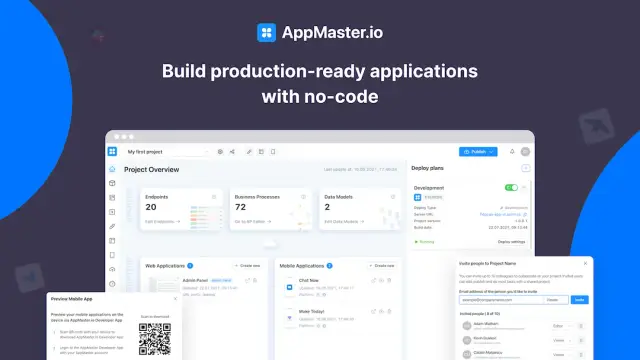
Here are some key features and benefits of using AppMaster for your startup:
By embracing innovative platforms like AppMaster, startups can effectively minimize technical debt, accelerate their software development process, and ensure their businesses' rapid growth and success. By leveraging the power of no-code, startups can focus on improving their products and services, rapidly iterating to meet market demands, and staying agile in a competitive environment – all without compromising on quality or maintainability.
 What is technical debt?
Technical debt refers to the long-term consequences resulting from shortcuts taken in software development to achieve shorter delivery times. These shortcuts can cause code complexity, decrease maintainability, and hinder future development.
Why is minimizing technical debt important for startups?Minimizing technical debt is essential for startups to ensure rapid growth, maintainability, and scalability of their software products. It allows them to iterate rapidly, adapt to changes, and allocate resources efficiently.
What are some strategies to minimize technical debt in startups?Strategies to minimize technical debt include investing in code quality, adopting best practices, prioritizing refactoring, allocating time to address known issues, and using low-code or no-code platforms.
How can no-code and low-code platforms help startups minimize technical debt?No-code and low-code platforms empower startups to develop software solutions with minimal programming efforts and maintain high-quality code by encouraging proper design patterns and reusable components. This helps minimize technical debt and streamline the development process.
Can AppMaster help startups minimize technical debt?Yes, AppMaster's no-code platform allows startups to rapidly develop web, mobile, and backend applications without compromising on code quality. It regenerates applications from scratch whenever requirements are modified, ensuring no technical debt accumulation and a streamlined development process.
Experiment with AppMaster with free plan.
When you will be ready you can choose the proper subscription.
 Jul 14, 20268 min
 Jul 13, 20268 min
 Jul 08, 20268 min