


 Jul 14, 2026
 8 min
8 minEquipment reservation app: prevent conflicts and track returns
Plan an equipment reservation app that prevents double bookings, records returns and damage, and places faulty items on maintenance hold.

Discover the best practices to get started with low-code platforms, enabling you to maximize productivity, reduce costs, and create applications faster than ever before.

Low-code development is an innovative approach to building software applications using visual tools and platforms, which require minimal manual coding. With the rise in demand for custom software solutions and the shortage of experienced developers, low-code platforms have emerged as a popular and efficient way to bridge the gap.
Low-code platforms enable citizen developers, business experts, and even non-technical users to create applications quickly and efficiently. This is achieved through visual development environments that allow users to design applications using simple drag-and-drop tools, pre-built components, and templates, thus reducing the need for extensive programming knowledge. Additionally, low-code platforms often include built-in business process management capabilities, enabling seamless integration of complex processes into applications.
Through the use of low-code platforms, organizations can dramatically increase the speed of application development, allowing them to adapt and respond to ever-changing business requirements. Furthermore, low-code development promotes collaboration between teams, bridging the gap between IT and business departments.
Low-code platforms offer numerous advantages for businesses and individuals looking to develop custom software solutions. Some of the key benefits include:
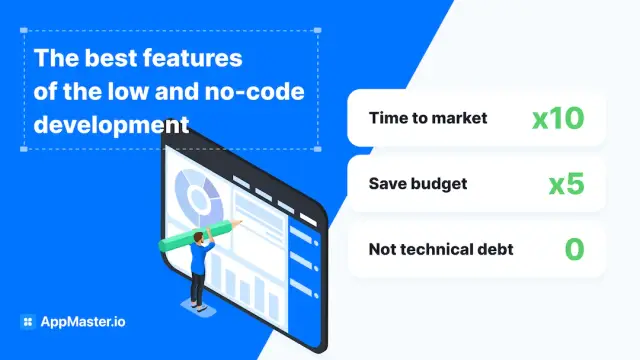
With the growing popularity of low-code development, several platforms with different features and capabilities have emerged in the market, making it essential to select the right solution for your needs. Consider the following factors when choosing a low-code platform for your organization:
Embarking on your low-code development journey requires several essential steps to ensure success. Here's how you can get started:
When building your first low-code application, follow these steps to ensure a smooth development process:
Low-code and no-code platforms, like AppMaster, make this process more manageable by offering powerful and easy-to-use development tools that cater to both technical and non-technical users. As you gain experience with low-code development, you'll be able to create and deploy applications more quickly and efficiently than traditional development methods, reaping the benefits these platforms provide.
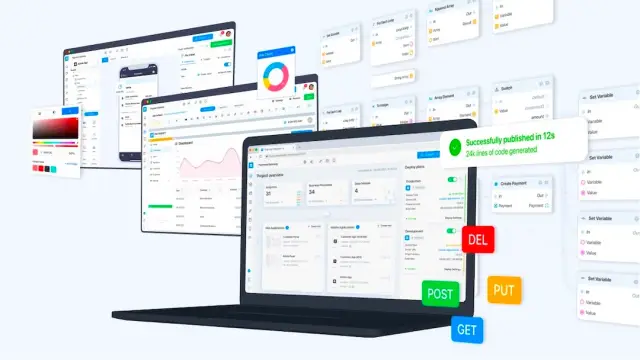
Implementing low-code development in your organization can be a game-changer, accelerating application development, reducing costs, and empowering non-technical users to create applications. However, to ensure a successful implementation, it's essential to follow some best practices. Here are some tips to help you get started on the right foot:
While low-code platforms are designed to be user-friendly, it's crucial to ensure that your team members receive the necessary information and training to use the platform effectively. Conduct workshops, provide documentation, and offer ongoing support to help your team members build confidence and competence in using the low-code platform.
Consider partnering with your low-code platform provider and leveraging their expertise in training and support. For instance, AppMaster offers a range of resources and support channels to help users get started with their platform.
Establishing clear roles and responsibilities is essential for collaboration and efficiency in a low-code development environment. Differentiate between business experts, citizen developers, and professional developers, and assign tasks according to their skillsets. Having proper delegation in place ensures that all stages of development, from ideation to deployment, are efficiently managed.
Low-code platforms often serve as a bridge between IT and business departments, promoting cross-functional collaboration in the development process. Encourage open communication between IT and business stakeholders to ensure that business requirements are correctly translated into technical solutions. This collaboration leads to applications that closely align with organizational needs.
When implementing low-code in your organization, it's wise to start with small projects before moving on to larger and more complex applications. Begin with pilot projects or proof-of-concept prototypes to test the capabilities of the platform and evaluate its suitability for your organization's needs. Gradually scale up as you gain confidence and gather valuable insights into the platform's potential.
While low-code platforms can empower users to create applications quickly, it's vital to maintain control and visibility over the development process. Establish a governance framework that outlines guidelines and best practices to be followed by all team members. Additionally, make sure your applications adhere to the applicable legal, regulatory, and industry-specific compliance requirements.
Monitoring and tracking your progress is crucial when implementing low-code development in your organization. Set key performance indicators (KPIs) to assess the success of your low-code initiatives and regularly review the data to ensure continuous improvement. This will help you align your low-code projects with overall business goals and demonstrate the value of low-code development to stakeholders.
Low-code development is an iterative process. Continuously improve your applications based on user feedback, analytics, and insights from your development team to keep them relevant, useful, and up-to-date. Regular application updates ensure that your organization stays agile, innovative, and responsive to changing needs.
Following these best practices will help you successfully implement low-code in your organization, accelerating the development of applications tailored to your unique processes and requirements. With the right low-code/no-code platform, such as AppMaster, you can empower your team to create high-quality applications faster and more efficiently than ever before.
 What is low-code development?
Low-code development is an approach to creating software applications using visual tools and platforms, requiring minimal manual coding. It empowers citizen developers and business experts to build applications quickly and efficiently.
Why should I use a low-code platform?Low-code platforms offer several benefits, such as faster application development, reduced costs, increased collaboration between business and IT teams, and the ability to create applications tailored to your organization's unique processes and requirements.
How do I choose a low-code platform?To choose a low-code platform, consider factors like ease of use, features and functionality, scalability, type of applications supported, integration options, security, and vendor support.
What features should I look for in a low-code platform?Key features to look for in a low-code platform include visual development tools, pre-built templates and components, drag-and-drop functionality, business process management capabilities, integration options, and a sufficient level of customization.
How do I get started with low-code development?To get started with low-code development, choose the right platform, define your project's scope and objectives, learn the platform's features and functionalities, and create a prototype or proof of concept to test your ideas before implementing them into a full-fledged application.
How can I ensure a successful low-code implementation in my organization?To ensure a successful low-code implementation, provide adequate training and support to your team, establish clear roles and responsibilities, foster collaboration between different departments, monitor and track your progress regularly, and iterate on your applications to continuously improve them.
Can non-technical users create applications using low-code platforms?Yes, low-code platforms are designed to allow non-technical users to create applications, although some platforms may offer more features and functionality to cater to professional developers or experienced IT staff.
Experiment with AppMaster with free plan.
When you will be ready you can choose the proper subscription.
 Jul 14, 20268 min
 Jul 13, 20268 min
 Jul 08, 20268 min